
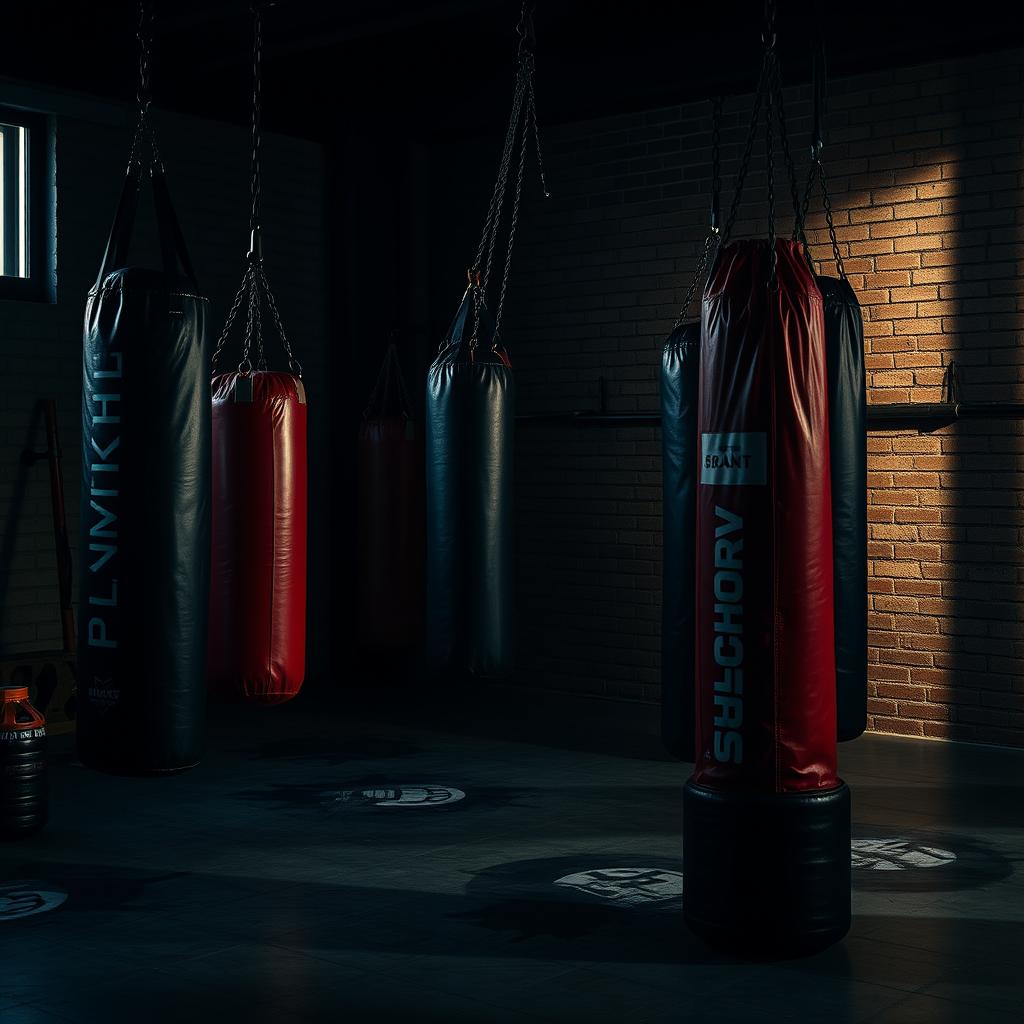
Walking into a boxing gym for the first time, you will notice bags of every shape and size hanging from the ceiling, bolted to walls, and sitting on stands. Each one serves a specific purpose in a fighter’s development. Understanding the types of punching bags explained here — from the classic heavy bag to the lesser-known maize bag — will help you train smarter, avoid wasting money, and build the right skills at the right time.
– Heavy Bag — Power, combinations, endurance
– Speed Bag — Hand speed, rhythm, timing
– Double End Bag — Accuracy, reflexes, counter-punching
– Maize (Slip) Bag — Head movement, defensive footwork
– Uppercut Bag — Close-range uppercuts and hooks
– Body Bag — Body shot targeting at realistic height
– Aqua Bag — Joint-friendly training with lifelike feel
– Wrecking Ball Bag — Compact power work and angles
1. Heavy Bag — The Foundation of Every Boxing Gym
Related Reading
The heavy bag is the single most important piece of training equipment in boxing. If you only ever own one bag, this is the one. Hanging from the ceiling by chains or heavy-duty straps, a standard heavy bag weighs between 70 and 150 pounds and stands roughly 4 to 5 feet tall. It absorbs full-power punches and kicks without swinging wildly, giving you a stable target to develop raw striking force.
I have spent thousands of rounds on heavy bags over the years, and I always tell newer fighters the same thing: the heavy bag teaches you how to sit down on your punches. It forces you to commit your hips and plant your feet. Shadowboxing alone cannot replicate that resistance. When you connect with a clean cross on a properly filled heavy bag, the feedback travels through your fist, up your arm, and tells you exactly whether your mechanics are right or wrong.
What the Heavy Bag Trains
– Power generation through proper weight transfer and hip rotation
– Punch combinations of three, four, or five strikes linked together fluidly
– Cardiovascular endurance during sustained 3-minute rounds
– Footwork around a moving target (the bag swings, so you adjust angles)
– Wrist and knuckle conditioning over time with consistent training
The heavy bag is not just for advanced fighters. Beginners benefit enormously from it because it builds confidence in throwing punches with genuine intent. The key is to start with lighter bags — around 70 pounds — and work up as you develop proper form. If you are setting up your home gym, check out our guide on how to set up a punching bag at home and our advice on what size punching bag you need.
Popular options include the Everlast Powercore Nevatear Heavy Bag (available on Amazon), which offers durable synthetic leather and balanced fill that prevents the stuffing from settling to the bottom over time. For filling tips, we have a dedicated article on how to fill a heavy bag.
2. Speed Bag — Building Rhythm and Hand-Eye Coordination
The speed bag is that small, teardrop-shaped, air-filled bag you see mounted to a swivel platform at head height. It rebounds rapidly off the platform when struck, creating a rhythmic pattern that fighters must maintain with precise, controlled punches. A standard speed bag measures between 6 and 13 inches in length, and smaller bags move faster, demanding quicker hands.
Using a speed bag properly looks effortless when an experienced boxer does it. In reality, it takes weeks of practice just to keep a consistent three-punch rhythm going. I remember my first sessions fumbling with the timing, missing the bag entirely, and getting hit in the face by the rebound. But once you find the rhythm, it becomes almost meditative — and that is exactly the point.
What the Speed Bag Trains
– Hand speed and the ability to throw rapid, short punches
– Hand-eye coordination as you track a fast-moving small target
– Shoulder endurance from keeping your hands elevated for extended periods
– Timing and rhythm that translate directly to combination punching in the ring
– Awareness of punching distance at close range
Speed bags are not power tools. You do not hit them hard. The value lies in repetition and developing a sense of cadence in your striking. The Title Boxing Speed Bag is a reliable choice on Amazon for home setups, and it comes in multiple sizes so you can progress from a larger bag to a smaller one as your timing improves.
“A fighter who can work the speed bag for five straight minutes without breaking rhythm has developed shoulder endurance and hand coordination that will show up in every round they fight.”
3. Double End Bag — Sharpening Accuracy and Reflexes
The double end bag is suspended between the floor and ceiling by two elastic cords, creating a target that snaps back unpredictably when struck. This is the bag that teaches you to hit a moving target and deal with something coming back at you — a closer simulation of an actual opponent than any stationary bag can offer.
Double end bags come in single-ball and dual-ball configurations. The single-ball version is roughly the size of a volleyball and moves erratically in all directions. The dual-ball version has a smaller ball on top (representing the head) and a larger one below (representing the body), letting you practice level changes in your targeting. I personally find the dual-ball version more useful for developing fight-specific accuracy, since real opponents have heads and bodies at different heights.
What the Double End Bag Trains
– Punching accuracy against a fast-moving, unpredictable target
– Reflexes and defensive reactions as the bag snaps back toward you
– Counter-punching timing — strike, slip the rebound, counter again
– Jab development, since the jab is the primary weapon used on this bag
– Head movement, because the bag’s return forces you to move off the center line
The Ringside Double End Bag (available on Amazon) is a solid choice for both gym and home use. It comes with adjustable bungee cords so you can control how much the bag moves — tighter cords mean less movement (better for beginners), while looser cords create a faster, more chaotic target.
4. Maize Bag (Slip Bag) — Mastering Defensive Head Movement
The maize bag — also called a slip bag — is a small, round or teardrop-shaped bag filled with maize (dried corn kernels) or sand, typically weighing between 5 and 15 pounds. It hangs from a single point at roughly head height, and you push or lightly strike it to set it swinging, then practice slipping, ducking, and weaving as it swings back toward you.
This is one of the most underrated and underused bags in boxing. Most home gym setups skip it entirely, which is a mistake. The maize bag is how you develop the defensive instincts that keep you from getting hit. I set mine up in a doorway at home — it takes almost no space and costs very little — and I use it for 10 to 15 minutes before every training session as a warm-up. The pendulum-like motion teaches your body to read incoming movement and react without thinking.
What the Maize Bag Trains
– Slipping punches by moving your head laterally off the center line
– Ducking and weaving under incoming strikes with proper knee bend
– Defensive rhythm and timing that translate to sparring
– Upper body fluidity and the ability to stay relaxed while moving your head
– Footwork coordination while maintaining a balanced boxing stance
Unlike other different types of punching bags, the maize bag is not really designed to be hit hard. You tap it to start its swing, then practice your defensive movement around it. Some fighters combine it with light counter-punches — slip the bag, throw a jab, slip again — to build offensive-defensive flow.
5. Uppercut Bag — Close-Range Power Development
The uppercut bag is a shorter, wider bag designed specifically for practicing uppercuts, hooks, and body shots at close range. Some models mount horizontally from the wall, while others hang from the ceiling at a lower height than a standard heavy bag. If you have ever tried throwing an uppercut at a standard heavy bag, you know the angle feels wrong. The uppercut bag solves that by positioning the striking surface where upward punches connect naturally, making it essential for inside fighters who do their best work in the clinch.
What the Uppercut Bag Trains
– Uppercut mechanics with proper palm rotation and leg drive
– Short hooks from close range with compact arm positioning
– Body punching accuracy at a realistic target height
– Inside fighting combinations mixing uppercuts, hooks, and short straights
– Core engagement required for generating power from a tight, squared-up stance
6. Body Bag (Tear Drop Bag) — Realistic Body Shot Training
The body bag, sometimes called a tear drop bag due to its wider bottom and tapered top, is shaped to mimic the human torso. It hangs at a height that puts the widest part at midsection level, giving fighters a realistic target for liver hooks, body uppercuts, and rib-level straights. Body punching is one of the most underdeveloped skills in amateur boxing because standard heavy bags do not encourage level changes. After adding a tear drop bag to my own training, my body punch accuracy in sparring improved noticeably within weeks.
What the Body Bag Trains
– Body shot accuracy at a realistic target shape and height
– Level changes from head-height punches down to body strikes
– Hooking power to the body with proper torso rotation
– Combination work that mixes head and body targeting
7. Aqua Bag — Joint-Friendly Training With Lifelike Feedback
The aqua bag is a water-filled punching bag that has surged in popularity over the past several years. Unlike traditional bags filled with fabric, sand, or foam, the aqua bag uses water as its primary fill material inside a durable synthetic shell. This creates a striking surface that absorbs impact more gradually, reducing stress on your wrists, knuckles, and elbows.
The feel of hitting an aqua bag is genuinely different from any other bag on this list. Your fist sinks in slightly before the resistance builds, which is remarkably close to the sensation of hitting a human body. For fighters who deal with chronic hand or wrist issues — which, honestly, is most of us eventually — an aqua bag can extend training sessions that would otherwise be cut short by joint pain. The Aqua Training Bag brand (available on Amazon) offers both heavy bag and wrecking ball configurations.
What the Aqua Bag Trains
– Power punching with reduced joint stress compared to traditional bags
– Realistic feedback that mimics striking a human body
– Combination work for fighters recovering from hand or wrist injuries
– Full-force training for older fighters or those focused on longevity
8. Wrecking Ball Bag — Compact Power From All Angles
The wrecking ball bag is a round, heavy bag — roughly the size of a beach ball — that hangs at head or chest height. Despite its compact size, it can weigh 15 to 65 pounds depending on model and fill material. Its spherical shape allows you to strike from virtually any angle, making it excellent for hooks, uppercuts, and angled punches that are difficult to train on a standard cylindrical bag.
I think of the wrecking ball as the complement to the heavy bag. Where the heavy bag excels at straight punches and long combinations, the wrecking ball shines for short, powerful shots from unusual angles. It is also low-profile enough to hang in a home gym without needing excessive ceiling height. The Century Wrecking Ball Bag and Aqua Training Bag Wrecking Ball are both reliable picks on Amazon.
What the Wrecking Ball Bag Trains
– Hooks and uppercuts from multiple angles around the bag’s spherical surface
– Power generation in short, compact punches
– Accuracy on a smaller, round target that demands precision
– Footwork and circling around a compact target to find angles
9. Punching Bag Types Comparison: Full Breakdown
The following table compares all eight punching bag types covered in this guide so you can see the differences at a glance.
| Bag Type | Primary Purpose | Typical Weight | Typical Size | Price Range | Best For |
|---|---|---|---|---|---|
| Heavy Bag | Power, combos, endurance | 70–150 lbs | 4–5 ft long | $80–$250 | All levels |
| Speed Bag | Hand speed, rhythm | 1–3 lbs (air-filled) | 6–13 inches | $20–$70 | Intermediate+ |
| Double End Bag | Accuracy, reflexes | 2–5 lbs | 7–9 inches (ball) | $25–$60 | All levels |
| Maize (Slip) Bag | Head movement, defense | 5–15 lbs | 10–14 inches | $15–$45 | All levels |
| Uppercut Bag | Uppercuts, close-range hooks | 40–80 lbs | 2–3 ft long | $60–$150 | Intermediate+ |
| Body (Tear Drop) Bag | Body shots, level changes | 60–130 lbs | 3–4 ft long | $80–$200 | Intermediate+ |
| Aqua Bag | Joint-friendly power work | 35–200 lbs (water) | 12–21 inches | $90–$300 | All levels |
| Wrecking Ball Bag | Angled power shots | 15–65 lbs | 12–18 inches | $40–$120 | All levels |
10. Which Punching Bag Should You Get First?
If you are building a home gym or just starting out, the number of options can feel overwhelming. Here is a straightforward recommendation based on experience coaching fighters at different stages.
Start with a heavy bag. There is no substitute for it. A good heavy bag handles power work, combination drilling, cardio rounds, and even basic footwork training all in one piece of equipment. For most beginners, a 70-pound heavy bag is the right starting point — our article on heavy bag vs freestanding bag can help you decide which mounting style works for your space.
After you have trained on a heavy bag consistently for a few months, add a double end bag. The accuracy and reflex training it provides will immediately improve your sparring. The cost is minimal, the space requirement is tiny, and the skill transfer is enormous.
Your third addition should be either a speed bag or a maize bag, depending on whether you want to prioritize hand speed or defensive movement. Both are inexpensive and can be set up in small spaces.
Recommended Starter Setup (Budget: Under $200)
– One 70 lb heavy bag (Everlast Powercore or similar) — approximately $100–$130
– One double end bag with bungee cords — approximately $25–$40
– One maize/slip bag — approximately $15–$30
That three-bag setup covers power, accuracy, reflexes, and head movement — the four pillars of striking development.
Recommended Full Setup (Budget: $400–$600)
– One 100 lb heavy bag for power and endurance work
– One speed bag with platform for hand speed and shoulder conditioning
– One double end bag for accuracy and counter-punching
– One maize bag for defensive head movement
– One aqua bag or wrecking ball bag for joint-friendly angle work
FAQ
1. Can I use a heavy bag for speed training, or do I need a separate speed bag?
A heavy bag can improve hand speed to some degree through fast combination drills, but it cannot replicate what a speed bag does. The speed bag’s rapid rebound demands a specific timing and rhythm that trains neurological hand-eye pathways differently than heavy bag work. For well-rounded development, you want both. That said, if budget forces you to choose one, pick the heavy bag first and add a speed bag later.
2. What is the difference between a double end bag and a maize bag?
A double end bag is anchored at both top and bottom by elastic cords and rebounds unpredictably when punched, training your accuracy and reflexes. A maize bag hangs from a single point and swings in a pendulum motion, training your head movement and slipping ability. The double end bag is primarily an offensive training tool (hitting a moving target), while the maize bag is primarily a defensive training tool (avoiding a moving object). Most serious fighters use both.
3. Are aqua bags worth the higher price compared to traditional heavy bags?
Aqua bags cost more upfront but offer genuine advantages for specific situations. If you have chronic hand, wrist, or elbow issues, the softer impact absorption can extend your training career significantly. The lifelike feel of water-filled bags also provides more realistic feedback than densely packed traditional bags. For a healthy beginner on a budget, a traditional heavy bag delivers better value. For anyone dealing with joint problems or prioritizing longevity, an aqua bag is a worthwhile investment.
Picking the Right Bag Changes Your Training
Every punching bag type in this guide exists because it solves a specific training problem. Heavy bags build power. Speed bags build rhythm. Double end bags sharpen accuracy. Maize bags develop defense. The fighters who improve fastest are the ones who rotate through multiple bags in their sessions, addressing weaknesses rather than only training strengths. Start with the basics, add tools as your skills demand them, and pay attention to what each bag is actually teaching you — that awareness separates intentional training from just hitting things.
Written by the AskMeBoxing Team



1 thought on “Types of Punching Bags Explained: Heavy, Speed, Double End, Maize & More”
Comments are closed.