
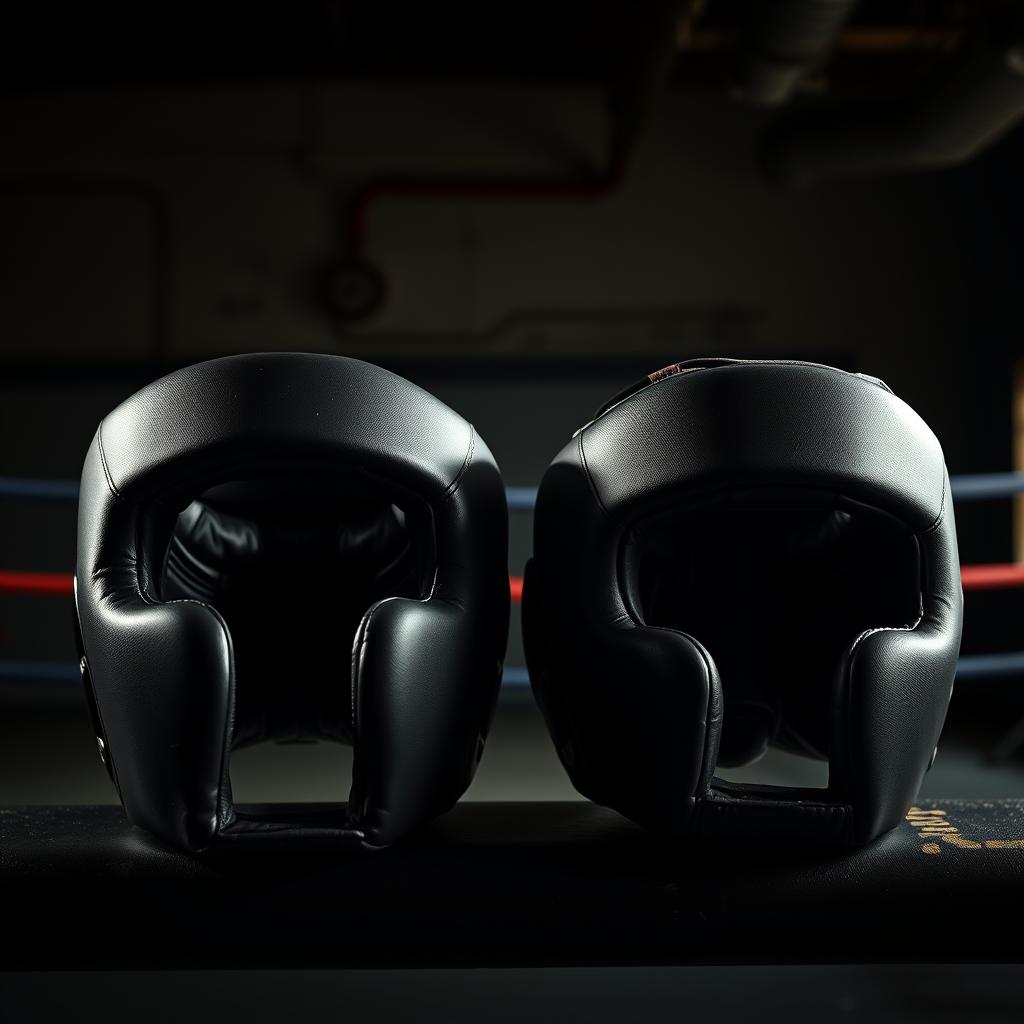
Walking into a boxing gym for your first sparring session without proper head protection is a mistake you only make once. Your gloves land the punches, but your headgear keeps you coming back to train the next day. Understanding how to choose boxing headgear matters more than most fighters realize — the wrong fit or style can actually increase your risk of injury rather than reduce it. I have sparred in everything from bargain-bin headgear to high-end Japanese leather models, and the difference is night and day. This guide breaks down exactly what to look for.
– Fit is the single most important factor — headgear should be snug without pressure points
– Open face headgear offers better visibility; full face (face saver) offers more protection for beginners
– Multi-layer foam padding absorbs impact better than single-density foam
– Budget range: $40 for solid entry-level, $60–$100 for mid-range, $300+ for competition-grade
– AIBA removed headgear from Olympic men’s boxing in 2016, but it remains mandatory in most gym sparring and amateur competition
1. Why Headgear Still Matters (Even After the Olympic Ban)
There is a common misconception floating around gyms that headgear is unnecessary because the International Boxing Association (then called AIBA, now IBA) removed it from men’s Olympic competition starting at the 2016 Rio Games. The AIBA medical commission cited data showing concussion rates of 0.38 percent per round with headgear versus 0.17 percent without, arguing that the padding created a larger target and encouraged fighters to take more risks. That decision applied to elite-level male competitors in sanctioned international bouts.
Gym sparring is a completely different environment. You are not fighting three rounds under referee supervision with a ringside doctor — you are training multiple rounds per week, sometimes against partners who are heavier, less experienced, or both. Headgear reduces cuts, prevents swelling around the eyes, protects the ears from cauliflower ear, and cushions the cumulative impact of repeated blows during regular training.
USA Boxing still requires approved headgear for all sanctioned amateur competition in the United States. If you plan to compete at any amateur level, you will need IBA-approved or USA Boxing-approved headgear regardless of what the Olympics do. For recreational sparring, most gyms mandate headgear as a basic safety requirement before you are allowed to step into the ring.
2. Types of Boxing Headgear Explained
Before you spend a dollar, you need to understand the three main styles of boxing headgear and what each one is designed for. Every style makes a trade-off between protection and visibility, and picking the right one depends on your experience level, how hard you spar, and whether you compete.
Open Face Headgear
Open face headgear covers the forehead, temples, and back of the head while leaving the entire face exposed. This is the style most commonly seen in professional training camps. It offers the widest field of vision and the best airflow, which matters during long sparring sessions when heat buildup becomes a factor. The trade-off is obvious — your nose, cheeks, and chin have zero padding coverage. I personally prefer open face headgear for technical sparring where both partners are controlled, but I would not recommend it for a beginner who is still learning to keep their hands up.
The Ringside Competition Headgear (around $40) is a solid entry point for open face protection at a budget-friendly price.
Full Face Headgear (Face Saver)
Full face headgear, often called a face saver, includes a padded bar or cage across the front that protects the nose and cheeks. Some models add a clear plastic shield over the eyes. This style provides the most comprehensive protection available and is the best choice for beginners, fighters recovering from facial injuries, or anyone who spars hard regularly. The downside is reduced peripheral vision and a tendency to trap heat, which can fog up shield-equipped models.
For fighters who want premium full-face coverage, the Hayabusa T3 Boxing Headgear (around $100) uses a tri-strap closure system and multi-density foam that justifies the higher price tag.
Cheek Guard Headgear (Mexican Style)
Cheek guard headgear sits between the other two styles. It adds padded cheek protectors without covering the nose or chin, giving you extra protection on the sides of the face while maintaining decent forward visibility. This is the most popular style in amateur boxing gyms because it balances protection and vision well. Many USA Boxing approved models fall into this category.
The Venum Elite Boxing Headgear (around $60) is a popular cheek guard option with triple-density foam and a wide velcro strap at the back for secure fitting.
If you want a deeper breakdown of the visibility and protection differences, check out our comparison of open face vs full face headgear.
| Feature | Open Face | Cheek Guard | Full Face (Face Saver) |
|---|---|---|---|
| Face Protection | Minimal | Moderate (cheeks covered) | Maximum (nose, cheeks, chin) |
| Visibility | Excellent | Good | Limited (peripheral blocked) |
| Breathability | Excellent | Good | Poor to Moderate |
| Best For | Advanced fighters, technical sparring | Intermediate, amateur competition | Beginners, hard sparring, injury recovery |
| Price Range | $30–$80 | $50–$120 | $60–$300+ |
| Weight | Lightest | Medium | Heaviest |
3. How to Get the Right Fit
Getting the fit right is more important than the brand name on the headgear. A $300 piece of equipment that shifts around on your head is worse than a $50 one that fits like it was molded for you. Proper fit affects everything — your vision, your ability to breathe, how well the padding absorbs impact, and whether you can hear your coach’s instructions between rounds.
Headgear that slides or rotates on impact does not protect you — it hurts you. When a punch lands and the headgear shifts, the padding moves away from the contact point, and the torque from the rotation can actually increase rotational force on your brain. If your headgear wobbles when you shake your head side to side, it is too big. Do not compensate by over-tightening the chin strap — that creates pressure points and restricts jaw movement. Get the correct size or try a different brand.
Measuring Your Head
Wrap a flexible measuring tape around your head approximately one inch above your eyebrows, over the tops of your ears, and around the widest part of the back of your skull. Keep the tape level. Most people fall between 21 and 24 inches. Each brand publishes its own size chart, so always check the manufacturer’s guide rather than assuming a “medium” is the same across brands.
Testing the Fit
When you put headgear on for the first time, check these points before you ever take a punch in it. The forehead padding should sit just above your eyebrows without drooping down and blocking your vision. The back of the headgear should cup the base of your skull snugly. You should be able to open your mouth comfortably — important for breathing and for wearing a quality mouthguard underneath. Shake your head vigorously side to side and up and down; the headgear should move with your head, not independently of it.
Closure Systems
Most headgear uses one of three closure systems. Lace-up closures offer the most customizable fit but require help to put on. Velcro straps are the most common and allow quick adjustments between rounds. Some premium models like the Winning FG-5000 (around $300+) use a combination of lace and elastic that conforms to the head shape over time — Winning headgear is considered the gold standard by many professional trainers for good reason.
4. Padding Materials and Construction
The foam inside your headgear determines how well it absorbs impact. Not all padding is created equal, and understanding the difference can save you from headaches — literally. A well-padded headgear distributes the force of a punch across a wider area rather than letting it concentrate at a single point.
Single-Density Foam
Budget headgear typically uses a single layer of standard foam. It provides basic cushioning but compresses quickly under hard shots and tends to break down faster with regular use. If you spar lightly once a week, single-density foam can be adequate. If you train seriously, expect to replace this type of headgear within six to twelve months.
Multi-Density (Layered) Foam
Higher-quality headgear stacks different foam densities — a softer layer against your head for comfort and a firmer outer layer to absorb and distribute impact. This construction handles hard shots significantly better and lasts longer because the firmer outer layer resists compression. The Hayabusa T3 and Venum Elite both use this approach.
Gel-Infused Padding
Some modern headgear incorporates gel inserts at key impact zones around the temples and forehead. Gel displaces rather than compresses, providing superior protection at high-impact points. This technology adds to the price but is worth considering if you spar frequently.
“I trained for years in cheap headgear before I finally invested in a pair with proper multi-layer padding. The difference was not subtle. Hard sparring sessions that used to leave me with a dull headache suddenly felt much more manageable. Good padding does not make you invincible, but it gives your brain a better chance.” — AskMeBoxing Team
5. Visibility and Peripheral Vision
Visibility is something many beginners overlook when choosing boxing headgear, but experienced fighters know it matters enormously. If you cannot see a punch coming, you cannot slip it, block it, or roll with it — and taking clean shots you never saw is how injuries happen.
Open face headgear gives you nearly unrestricted vision. Cheek guard models reduce your peripheral vision slightly but the impact is manageable once you adjust. Full face headgear with a nose bar creates a visual obstruction directly in front of you, and models with shields can fog up during intense rounds.
I recommend beginners start with a cheek guard model. You get meaningful face protection without the tunnel vision effect that full face headgear creates. Once your defensive skills improve and you learn to see punches and react instinctively, you can transition to an open face model if you prefer.
Put on your headgear and stand in front of a mirror. Without moving your head, check how far to the left and right you can see. Then have a training partner stand at your 2 o’clock and 10 o’clock positions — if you cannot see their fist move in your peripheral vision, that headgear restricts your sight too much for open sparring. This simple test takes thirty seconds and can prevent you from buying headgear that limits your ring awareness.
For more details on building a complete sparring kit alongside your headgear, see our guide on what equipment you need to start boxing.
6. Budget Breakdown and What You Actually Get
You do not need to spend $300 to get safe, functional headgear. But you do need to understand what you sacrifice at each price tier so you can make an informed decision based on how often and how hard you train.
Entry Level ($30–$50): Single-density foam, basic velcro closure, synthetic leather shell. Perfectly fine for light sparring once or twice a week. Expect to replace it within a year of regular use. The Ringside Competition Headgear sits in this range and has been a gym staple for decades.
Mid-Range ($50–$120): Multi-density foam, better leather or premium synthetic shell, more refined fit systems. This is the sweet spot for most recreational and amateur fighters. The Venum Elite and similar models offer solid protection, good durability, and a comfortable fit that lasts.
Premium ($120–$300+): Top-tier leather, multi-layer or gel-infused padding, precision fit systems, and construction that lasts years. The Winning FG-5000 is the benchmark here — many professional fighters and serious amateurs swear by Winning headgear for its unmatched combination of protection, visibility, and comfort. The price is steep, but the quality justifies it for fighters who spar multiple times per week.
Your headgear is only part of the equation. Pairing it with the right gloves makes a real difference in overall protection for both you and your sparring partner — our guide to choosing boxing gloves covers glove weight and padding for sparring specifically.
7. Care and Replacement
After every session, wipe down the interior with antibacterial spray or a cloth dampened with diluted vinegar. Sweat degrades foam and leather over time, and bacteria buildup causes skin irritation. Never store headgear in a sealed gym bag — let it air dry in an open space away from direct sunlight, which cracks leather.
Replace your headgear when the foam no longer springs back after compression, when the leather cracks significantly, or when the closure system cannot hold a snug fit. For fighters training three to four times per week, that means replacing entry-level headgear annually and mid-range headgear every eighteen to twenty-four months. Premium headgear like Winning can last three to five years with proper care.
FAQ
1. Can I use boxing headgear for Muay Thai or MMA sparring?
Boxing headgear works for Muay Thai stand-up sparring, but full face models with nose bars can be problematic during clinch work because they snag on your partner. For MMA, you want headgear specifically designed with open-face construction and ear coverage that accommodates grappling transitions. Standard boxing headgear is not built for ground work.
2. Does more expensive headgear prevent concussions?
No headgear at any price completely prevents concussions. What quality headgear does is reduce the force transmitted to your skull through better padding and fit, which lowers the risk. The biggest factor in concussion prevention is controlling sparring intensity — headgear is a safety layer, not a license to take unnecessary punishment.
3. What size headgear should I buy if I am between sizes?
Go with the smaller size. Headgear that is slightly snug will conform to your head shape over time as the padding settles, while headgear that starts loose will only get looser with use. You can also add thin padding inserts to fine-tune the fit of a smaller size, but there is no reliable way to tighten an oversized headgear.
Picking the Right Headgear Comes Down to Honest Self-Assessment
Choosing boxing headgear is really about being honest with yourself regarding your skill level, how hard you spar, and what you can afford. A beginner has no business sparring in open face headgear just because it looks more professional, and an experienced fighter does not need a full face saver for light technical rounds. Match the style to your reality, prioritize fit above everything else, and invest in choosing boxing headgear that you will actually wear every session without complaint. Your future self will appreciate it.
Written by the AskMeBoxing Team





1 thought on “How to Choose Boxing Headgear: Fit, Protection Types, and Budget Guide”
Comments are closed.