
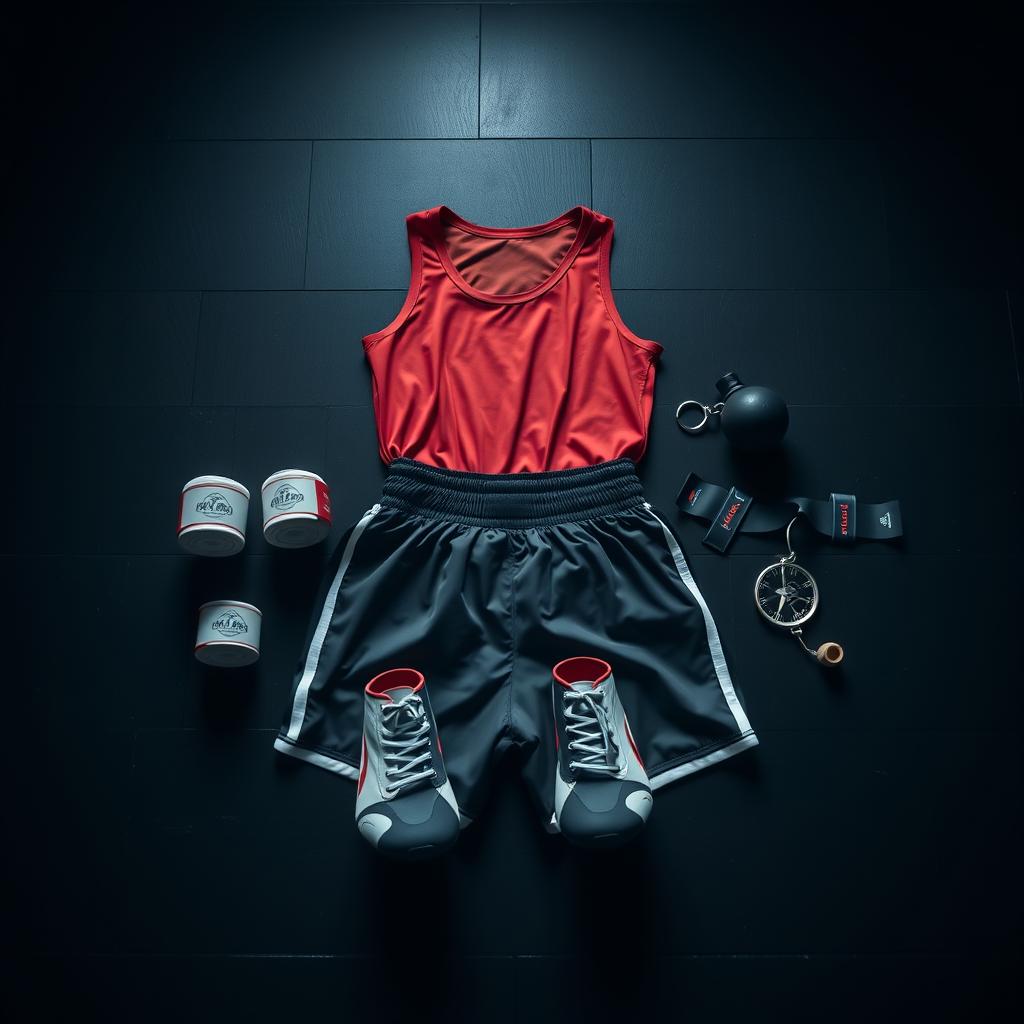
Walking into your first boxing class can feel intimidating enough without second-guessing your outfit. The good news is that picking the right what to wear to a boxing class setup is straightforward once you know what actually works on the heavy bag and in the ring. After years of coaching newcomers, I can tell you that comfort, breathability, and range of motion matter far more than brand names. This guide covers every piece of clothing, footwear, and gear you need — plus a few things you should absolutely leave at home.
– Moisture-wicking top (fitted T-shirt, tank top, or compression shirt)
– Athletic shorts, leggings, or compression shorts
– Cross-training shoes or boxing shoes with flat, thin soles
– Hand wraps (180-inch Mexican-style recommended)
– Sports bra with high-impact support (women) You should also consider picking up the best mouthguard for boxing if your class includes any partner drills.
– Water bottle and small towel
1. Upper Body — Shirts, Tanks & Sports Bras
Your top needs to handle serious sweat while staying out of your way. Boxing rounds involve constant arm rotation, shoulder engagement, and torso twisting, so anything that restricts your shoulders or rides up during hooks and uppercuts is going to frustrate you within five minutes.
For men, a fitted athletic T-shirt or a compression shirt made from polyester-spandex blends works best. Cotton absorbs sweat and gets heavy fast — after three rounds of bag work, a cotton tee feels like a wet towel hanging from your shoulders. Moisture-wicking fabrics like Dri-FIT or Climalite pull sweat away from your skin and dry quickly, keeping you cooler throughout the session. Compression shirts are particularly useful if you plan on doing pad work or light sparring, since they stay flush against your body and never snag on your partner’s gloves.
For women, a high-impact sports bra is non-negotiable. Boxing involves bouncing footwork, rapid directional changes, and repeated upper-body rotation. Look for encapsulated cups or molded padding with wide, adjustable straps. Many women layer a fitted tank top or compression shirt over their sports bra for additional coverage and comfort. If your gym runs warm or you prefer more freedom, training in just a sports bra is perfectly normal at most boxing gyms.
Avoid loose, baggy shirts. They catch on gloves, obscure your coach’s view of your technique, and bunch up under your arms during combinations. A boxing class outfit should feel like a second skin — snug but not restrictive.
2. Lower Body — Shorts, Leggings & Compression Wear
Your legs do more work in boxing than most people expect. Constant lateral movement, squatting into your stance, pivoting on your lead foot, and explosive push-offs from your back leg all demand full range of motion in your hips and knees.
Athletic shorts that sit above the knee are a classic choice. Look for a lightweight, stretchy fabric with an elastic or drawstring waistband. Basketball shorts tend to be too long and can interfere with footwork drills. If you are exploring gear options, check out our equipment guide for a full rundown.
Leggings and compression tights are popular for both men and women, and for good reason. They stay in place, wick moisture, and provide light muscle support during high-output sessions. Women often prefer high-waisted leggings that stay put during squats and defensive slips. Men who train in compression shorts typically add a pair of lightweight athletic shorts over the top.
The key rule here: pick bottoms that will not slide, sag, or require adjustment. Once your gloves are on, pulling up your shorts is awkward at best and impossible during mitt work.
3. Footwear — Boxing Shoes vs. Cross-Trainers
Footwear is where many first-timers make their biggest mistake. Running shoes — the ones with thick, cushioned heels and aggressive tread patterns — are built for forward motion. Boxing demands lateral movement, pivoting, and quick directional changes, which makes that chunky sole a liability.
Boxing-specific shoes like the Nike Machomai or Adidas Box Hog are designed with thin, flat soles that keep you low to the ground. They offer excellent ankle support, a grippy (but not sticky) outsole, and minimal heel-to-toe drop. The Machomai runs light at around 300 grams per shoe and features a mid-cut design that locks the ankle without feeling bulky. The Box Hog sits slightly lower, which some fighters prefer for faster lateral slides. If you plan to train regularly, investing in a dedicated pair is worth every dollar.
For your first few classes, cross-training shoes or indoor court shoes are a solid alternative. They share the flat-sole, lateral-support DNA of boxing shoes without the specialized price tag. Wrestling shoes also work well. The important thing is a thin, flexible sole that lets you feel the canvas or gym floor beneath you — that ground connection is critical for balance when you throw punches and shift your weight between stances.
What to avoid in boxing gym attire footwear:
– Running shoes with thick, cushioned soles (poor pivot, ankle instability)
– Open-toed sandals or flip-flops (obvious safety risk)
– Converse or flat canvas sneakers (no lateral support, slippery soles)
– Boots or high-top basketball shoes (too heavy, restrict ankle flexion)
If you are unsure, ask your gym before your first session. Some facilities even provide loaner shoes for newcomers. For a deeper look at preparing for your first session, see our beginners guide to boxing.
4. Hand Protection — Wraps and Gloves
Hand wraps are the single most overlooked piece of first boxing class clothing prep. They protect the small bones and tendons in your hands and wrists by compressing everything into a tight, supportive package before your gloves go on.
Pick up a pair of 180-inch semi-elastic (Mexican-style) hand wraps. They conform to your hand shape, provide solid wrist support, and are easy to wash after training. Learning to wrap properly takes a few tries — our hand wrapping tutorial walks you through the process step by step.
Most gyms provide loaner gloves for beginners, usually 12 oz or 14 oz bag gloves. These are fine for your first few sessions, but keep in mind that communal gloves see dozens of sweaty hands each week. Once you commit to training, invest in your own pair — shared gloves accumulate bacteria and odor quickly, and a glove fitted to your hand makes a noticeable difference in punch feedback and wrist alignment. For bag work and group classes, 12 oz gloves offer a good balance of speed and padding. If you plan to spar eventually, a 14 oz or 16 oz glove provides better protection for both you and your partner.
Beyond wraps and gloves, consider what to bring to boxing class in your gym bag: a refillable water bottle (you will drain it), a small sweat towel, a plastic bag for damp gear after class, and any personal items like a mouthguard if your gym offers sparring sessions for intermediates.
“Your hands are your most important tools in boxing. Wrapping them correctly is not optional — it is the difference between training consistently and sitting out with a wrist injury.” — Common advice from every experienced boxing coach
5. What NOT to Wear to a Boxing Class
– Jewelry: Rings, necklaces, bracelets, and earrings are dangerous. Rings can cut your hands or training partners. Necklaces whip into your face during movement. Remove everything before you step into the gym.
– Loose or baggy clothing: Oversized hoodies, wide-leg sweatpants, and loose tank tops catch on gloves, obscure your form, and overheat you quickly.
– Cotton everything: Cotton absorbs moisture and stays wet, making you heavier and more uncomfortable as the session goes on.
– Jeans or cargo pants: Zero stretch, zero breathability, maximum restriction.
– Running shoes: Thick soles and aggressive treads fight against the lateral footwork boxing requires.
– Strong cologne or perfume: In a small gym environment, heavy fragrance is inconsiderate to partners working in close proximity.
These might sound obvious, but I have seen every single one of these walk through the gym door. The jewelry issue is especially important — a hooked necklace or bent ring during sparring can cause genuine injury to you or your partner. Even in a non-contact class focused on bag work and shadow boxing, rings dig into your fingers under tight wraps and bracelets shift inside your gloves, creating uncomfortable pressure points that distract from your technique. Make it a habit: jewelry off before wraps on, every single time.
6. Boxing Class Clothing Checklist
Use this table to make sure you have everything covered before your first session.
| Category | Recommended Item | Material / Notes |
|---|---|---|
| Top (Men) | Fitted T-shirt or compression shirt | Polyester-spandex, moisture-wicking |
| Top (Women) | High-impact sports bra + fitted tank | Encapsulated cups, wide straps |
| Bottoms | Athletic shorts or leggings | Stretchy, above-knee, elastic waist |
| Footwear | Boxing shoes or cross-trainers | Flat sole, lateral support, lightweight |
| Hand Protection | 180″ Mexican-style hand wraps | Semi-elastic, machine washable |
| Gloves | 12–14 oz boxing gloves (or gym loaners) | Velcro closure for easy on/off |
| Accessories | Water bottle, small towel, gym bag | Bring a spare shirt for after class |
7. Men’s vs. Women’s Specific Advice
While most boxing gym attire principles apply to everyone, a few gender-specific considerations are worth noting.
For men: Compression shorts under your athletic shorts prevent chafing during long footwork drills and provide support during explosive movements. A fitted top — not a muscle tee with gaping armholes — keeps your torso covered without restricting your punch mechanics. If you run hot, sleeveless compression shirts offer the best ventilation-to-coverage ratio.
For women: High-waisted leggings with a wide waistband tend to stay in place better than low-rise options during defensive slips, ducks, and weaving. If you train in a sports bra alone, opt for one with a racerback design to keep straps secure during hooks and uppercuts. A spare hair tie is essential — nothing disrupts focus like hair falling into your eyes mid-round.
Both men and women should bring a change of clothes for after class. Boxing training generates serious sweat, and you will not want to sit in your car or take public transport in a soaked shirt. A dry T-shirt, fresh socks, and a pair of slides or sandals for the walk to your car make the post-workout experience significantly more comfortable. Toss everything into a ventilated gym bag so your damp gear does not turn into a science experiment overnight.
8. Frequently Asked Questions
1. Can I wear regular sneakers to a boxing class?
You can get through your first session in regular sneakers, but running shoes with thick soles make pivoting and lateral movement harder and increase your ankle injury risk. Switch to cross-trainers or flat-soled shoes as soon as possible, and consider dedicated boxing shoes like the Nike Machomai or Adidas Box Hog if you train more than twice a week.
2. Do I need to buy my own gloves before my first class?
No. Most boxing gyms provide loaner gloves for newcomers. However, buying your own 180-inch hand wraps before your first class is highly recommended — wraps are personal hygiene items and sharing them is not ideal. Once you know you enjoy training, invest in your own gloves for better fit, hygiene, and performance.
3. What should I wear to a boxing class if I have long hair?
Secure your hair with a low bun or tight braid — high ponytails bounce and whip during rapid head movement. Avoid metal clips or pins that could press into your scalp under headgear. A simple fabric hair tie or headband keeps everything in place without creating pressure points.
Conclusion
Choosing what to wear to a boxing class comes down to three principles: pick moisture-wicking fabrics that handle heavy sweat, wear fitted clothing that allows full range of motion, and invest in flat-soled shoes that support lateral movement. Leave the jewelry at home, grab your hand wraps, and bring a water bottle. The right boxing class outfit removes distractions so you can focus entirely on learning technique and pushing your conditioning. Walk in prepared, and you will train with confidence from round one.
Written by the AskMeBoxing Team




2 thoughts on “What to Wear to a Boxing Class: Clothing, Shoes & Gear Checklist”
Comments are closed.