
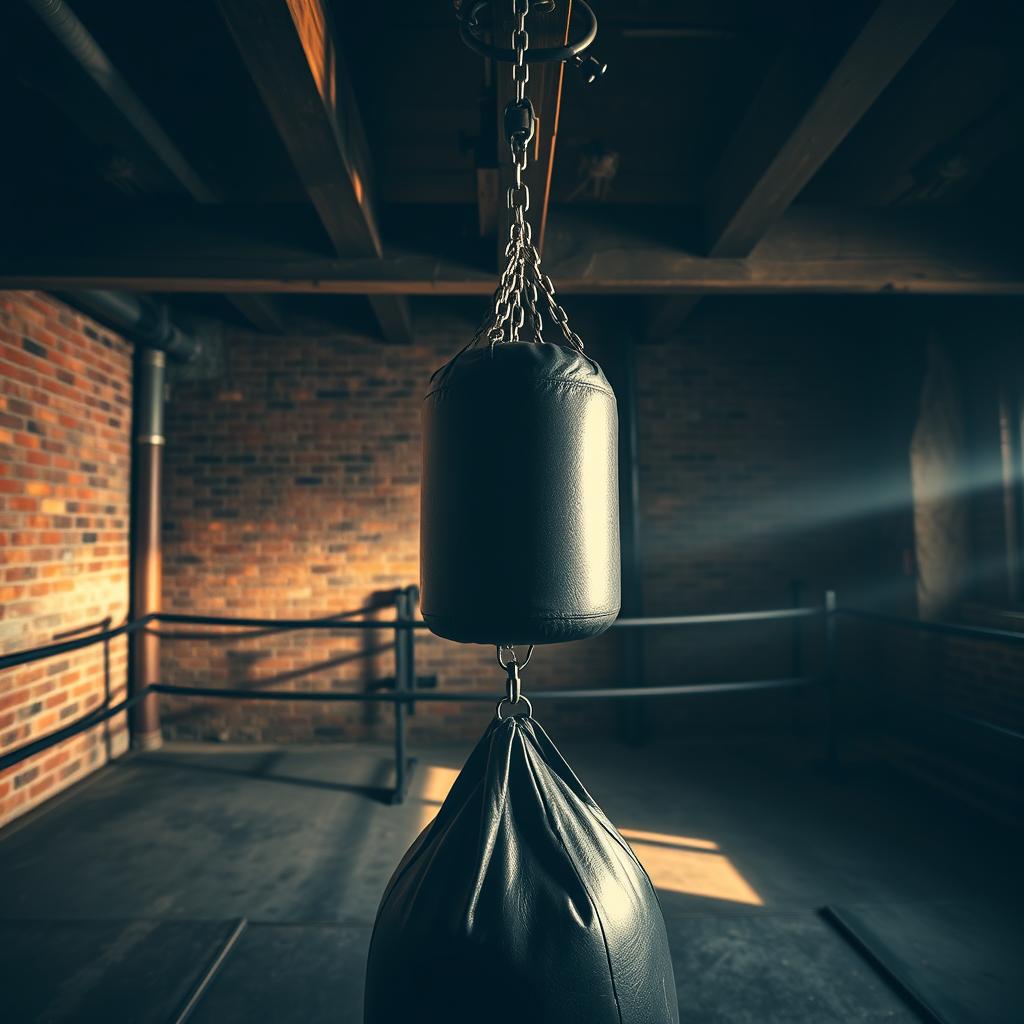
So you finally bought a heavy bag and now you’re staring at your ceiling, your wall, and that empty corner of your garage wondering how the heck to actually how to hang a heavy bag without ripping your house apart. I get it. I’ve installed bags in three different homes — a basement with exposed joists, a garage with drywall ceilings, and a cramped apartment where drilling wasn’t even an option. Each situation called for a completely different approach, and picking the wrong one would have meant damaged property or a bag that swings like a wrecking ball into my drywall.
– Ceiling mounts give 360-degree movement and feel the most like a real gym setup
– Wall mounts save floor space and work great in garages or basements with masonry walls
– Heavy bag stands require zero drilling and are perfect for renters or apartment dwellers
– Your mounting surface must support at least 4x the weight of your bag
– A 100 lb bag needs a mount rated for 400+ lbs to handle dynamic swinging forces
1. Before You Start: Choosing the Right Method for Your Space
Before you grab a drill or order hardware, you need an honest assessment of your space. The method you pick depends on three factors: your ceiling or wall structure, whether you rent or own, and how much room you have to move around the bag. Skipping this step is the number one reason people end up with a bag that crashes down mid-workout or a landlord breathing down their neck about holes in the ceiling.
If you own your home and have access to ceiling joists or exposed beams, a ceiling mount is the gold standard. It gives you full 360-degree access around the bag, which matters more than most beginners realize — footwork drills, angle work, and circling the bag all require space on every side.
If your ceiling is off-limits but you have a solid masonry or concrete wall (common in garages and basements), a wall-mounted bracket is your next best option. You lose the ability to circle the bag fully, but you gain a rock-solid mount that keeps the bag tight to one side of your room.
If you rent, live in an apartment, or simply don’t want to drill into anything, a heavy bag stand is the way to go. Modern stands like the Century Heavy Bag Stand are surprisingly sturdy when weighted down properly. For a deeper comparison of hanging bags versus freestanding options, check out our guide on heavy bag vs freestanding bag.
What Size Bag Do You Actually Need?
The weight of your bag dictates everything about your mounting hardware. A general rule: your heavy bag should weigh roughly half your body weight. A 150 lb person works well with a 70–80 lb bag. A 200 lb person should be looking at 100 lb bags. Not sure which size is right? We break it down in detail in our what size punching bag do I need guide.
This matters for hanging because a 70 lb bag puts very different demands on your mount than a 100 lb bag. When you strike a heavy bag, the dynamic force can be two to four times the static weight. That means your 100 lb bag can generate 400 lbs of force at the mounting point during hard combinations.
2. How to Hang a Heavy Bag from the Ceiling (The Gold Standard)
Ceiling mounting is what you see in every real boxing gym, and for good reason. The bag hangs freely, swings naturally, and lets you work every angle. But it also demands the most from your structure. Here’s how to do it right.
Tools and Hardware You Need
– Stud finder (electronic models are more reliable than magnetic ones)
– Power drill with 3/16″ and 5/16″ drill bits
– Eye bolt or lag screw (3/8″ or 1/2″ diameter, minimum 3″ threaded shank)
– Heavy-duty swivel mount or ceiling mount bracket
– Chain set (typically included with your bag)
– Heavy-duty carabiner or S-hook rated for your bag’s weight
– Safety glasses and a pencil for marking
A quality ceiling mount kit typically runs $20–$40 and includes the mounting plate, bolts, and a swivel. Don’t cheap out here — a $10 eye bolt from the hardware store might hold a plant, but it won’t hold a bag you’re throwing hooks into.
Step-by-Step Ceiling Installation
Step 1: Locate your ceiling joist. Use a stud finder to locate a joist. Joists are typically spaced 16 inches apart in most homes. Mark the center of the joist with a pencil. If you have an unfinished basement or garage with exposed joists, you can see them directly, which makes this much easier.
Step 2: Drill a pilot hole. For a 3/8″ eye bolt, drill a 3/16″ pilot hole. For a 1/2″ bolt, use a 5/16″ bit. Drill to the depth of the threaded portion plus an extra 1/2″ if you’re going through drywall first. The pilot hole should go straight up into the center of the joist.
Step 3: Install the eye bolt or mount plate. Thread the eye bolt into the pilot hole by hand first, pushing upward firmly. Once it gets too tight to turn by hand, slide a screwdriver shaft through the eye and use it as a lever to torque it the rest of the way in. Drive it until the threads are fully buried in the wood. If you’re using a mount plate (which I recommend for bags over 80 lbs), secure it with four lag screws into the joist.
Step 4: Add a swivel. Attach a heavy bag swivel to the eye bolt or mount plate. The swivel lets the bag rotate freely, which prevents the chain from twisting up during your workout. It also absorbs some of the rotational force that would otherwise stress your mounting point.
Step 5: Connect the chain and bag. Run the chain through your bag’s D-ring or top loop, then connect it to the swivel with a carabiner or S-hook. Test the setup by hanging on the bag with your full body weight before you start throwing punches. If it holds you, it’ll hold up to your strikes.
Never mount a heavy bag directly to drywall or a drywall ceiling without anchoring into a joist or beam. Drywall alone cannot support the static weight of a heavy bag, let alone the dynamic forces of punching. A 100 lb bag mounted only to drywall will rip out within minutes, potentially causing serious injury and major ceiling damage. If you cannot locate a joist, do not use a ceiling mount — choose a wall mount or stand instead.
Ceiling Mount for Concrete Ceilings
If you have a concrete ceiling (common in apartment buildings or commercial spaces), the process is different. You’ll need a hammer drill, concrete anchors (sleeve anchors or wedge anchors rated for at least 400 lbs), and a mount plate designed for concrete. Drill into the concrete, insert the anchors, and bolt the plate on. Concrete is actually excellent for heavy bag mounting because it doesn’t flex or weaken over time like wood can.
3. How to Mount a Heavy Bag on a Wall
Wall mounting is an underrated option that works beautifully in certain setups. A good wall mount bracket extends the bag 12–24 inches away from the wall, giving you enough clearance to work combinations without scraping your knuckles on brick.
Wall mounts are ideal when your ceiling joists run the wrong direction, when your ceiling height is too low for a proper hang, or when you want the bag in a specific corner of your garage. The trade-off is that you can only work about 180 degrees around the bag instead of the full 360 you get with a ceiling mount.
Requirements for Wall Mounting
The wall you mount to matters enormously. Here’s what works and what doesn’t.
– Concrete block or poured concrete walls are the best — they handle heavy loads without issues
– Brick walls work well but require masonry anchors and careful drilling to avoid cracking mortar joints
– Wood-framed walls with studs can work if you bolt through multiple studs (at least two, preferably three)
– Drywall alone will absolutely not work — this cannot be stressed enough
“The biggest mistake I see in home gyms is people mounting a heavy bag bracket to a single stud in a drywall wall. One stud can technically hold the static weight, but the moment you throw a hard cross, the lateral force will loosen the bolts within weeks. Always span at least two studs, or better yet, mount a backing board across three studs and attach the bracket to that.”
Step-by-Step Wall Installation
Step 1: Find your studs. Use a stud finder to locate at least two studs. Mark their centers. Standard stud spacing is 16 inches on center.
Step 2: Position the bracket. Hold the bracket against the wall at the right height. The bottom of your bag should hang roughly at your hip level. For most adults, that means the bracket goes about 7–8 feet up the wall. Mark the bolt holes with a pencil.
Step 3: Drill and bolt. Drill pilot holes at each mark, then secure the bracket with 3/8″ or 1/2″ lag bolts that penetrate at least 3 inches into the studs. For masonry, use expansion anchors rated for at least 400 lbs of pull-out force.
Step 4: Hang the bag. Attach the chain and bag to the bracket arm using a swivel and carabiner, just like the ceiling mount setup.
For renters who want a wall mount but can’t drill, there are some heavy-duty tension-pole systems available, though honestly, a bag stand is usually a better solution. If you’re building out a full home gym setup, our guide on how to build a home boxing gym on a budget covers all the equipment you’ll need beyond just the bag.
4. Using a Heavy Bag Stand (Best for Renters and Apartments)
A heavy bag stand is the no-drill, no-damage, no-landlord-problems solution. You assemble a steel frame, hang your bag from it, and you’re training. Modern stands have come a long way from the flimsy frames of fifteen years ago. The Century Heavy Bag Stand and similar models can handle bags up to 100 lbs when properly weighted.
The stand itself typically costs $80–$200 depending on quality and weight capacity. That’s more than a $30 ceiling mount kit, but you’re paying for the convenience of zero installation and full portability. You can move it to your patio in summer, back to the garage in winter, or take it with you when you move apartments.
How to Set Up a Heavy Bag Stand
Setting up a stand takes about 20–30 minutes and requires only a wrench (usually included). Most stands arrive in a flat box with steel tubes that bolt together. The critical step that many people skip is adding weight to the base. Without extra weight, any stand will walk across your floor when you hit the bag hard. There are three ways to stabilize a stand.
– Fill sandbags and strap them to the base legs — this adds 50–80 lbs of stability and costs under $15
– Place the stand on a rubber horse stall mat — the friction prevents sliding on concrete or tile
– Bolt the stand to a plywood platform — this is the most permanent solution but still doesn’t require drilling into your floor or walls
If your bag stand rocks or walks during hard combinations, fill two 5-gallon buckets with sand (about 70 lbs each) and set them on the rear legs of the stand. This is cheaper and more effective than the manufacturer’s recommended sandbag accessories, and you can dump the sand out if you ever need to move the stand.
When a Stand Won’t Cut It
Honesty time — stands have real limitations. If you’re a heavier fighter (200+ lbs) throwing full-power shots into a 100 lb bag, most consumer-grade stands will rock, shift, and feel unstable no matter how much weight you add to the base. In that case, you genuinely need a ceiling or wall mount, or you need to invest in a commercial-grade stand that runs $300+.
Stands also eat up floor space. The footprint of a typical stand is about 4 feet by 4 feet, plus you need 3 feet of clearance on every side you want to work from. That’s a significant chunk of a small garage or spare bedroom. If space is tight, check out our guide on how to set up a punching bag at home for layout ideas.
5. Ceiling vs Wall vs Stand: Full Comparison
Choosing between these three methods comes down to your specific situation. I’ve put together this comparison based on my own installations and conversations with dozens of home gym owners.
| Feature | Ceiling Mount | Wall Mount | Heavy Bag Stand |
|---|---|---|---|
| Movement Around Bag | 360 degrees (full circle) | ~180 degrees (half circle) | 270–360 degrees (depends on frame design) |
| Max Bag Weight | 150+ lbs | 100–150 lbs | 80–100 lbs (consumer) / 150 lbs (commercial) |
| Installation Difficulty | Moderate — need to find joists | Moderate-Hard — need studs or masonry | Easy — bolt-together assembly |
| Cost (Hardware Only) | $20–$50 | $40–$80 | $80–$250 |
| Drilling Required | Yes | Yes | No |
| Renter-Friendly | No | No | Yes |
| Stability | Excellent | Excellent | Good (with added weight) / Fair (without) |
| Floor Space Needed | Minimal — bag only | Minimal — bag + bracket clearance | Large — 4×4 ft footprint minimum |
| Noise / Vibration | Moderate — transfers through joists | Moderate — transfers through wall | Low — isolated from structure |
| Portability | None | None | High — disassemble and move |
| Best For | Homeowners with basements/garages | Garages with masonry walls | Renters, apartments, shared spaces |
The table tells the story pretty clearly. If you own your home and have solid structure overhead, the ceiling mount wins on performance. If you rent, a stand is your only realistic option. The wall mount sits in between — it’s the right call when your ceiling won’t cooperate but your walls are solid.
6. Common Mistakes and How to Avoid Them
After helping friends and fellow gym members set up their home bags, I’ve seen the same mistakes repeated over and over. Learning from other people’s errors will save you time, money, and potentially a trip to the hardware store for drywall repair compound.
Mounting to drywall without a joist. This is the most common and most dangerous mistake. Drywall is not a structural material. It’s basically compressed chalk between two sheets of paper. Even with toggle bolts, it cannot handle the dynamic load of a swinging heavy bag. Always anchor into a joist, stud, or beam.
Using hardware that’s underrated. If your bag weighs 80 lbs, don’t use an eye bolt rated for 80 lbs. The dynamic forces of punching multiply the load significantly. Use hardware rated for at least four times your bag’s weight. This applies to every component in the chain — the eye bolt, the swivel, the carabiner, and the chain itself.
Skipping the swivel. A swivel isn’t just for convenience. Without one, every punch that glances the side of the bag winds the chain tighter and tighter. This creates torsional stress on your mounting point that it wasn’t designed to handle. A $15 swivel protects a $40 mount and your ceiling.
Ignoring noise transfer. If you live in a house with people sleeping above your basement gym, or you share walls with neighbors, the impact vibrations will travel through the structure. A ceiling-mounted bag in a basement will send thuds through the floor above. Solutions include adding a heavy bag spring between the mount and chain (which absorbs shock) and scheduling your heavy bag sessions when nobody is trying to sleep.
Not leaving enough clearance. Your bag needs at least 3 feet of clearance from any wall to swing properly. I’ve seen setups where the bag was hung 12 inches from a wall, and every hard hook sent it crashing into the drywall. Measure twice, mount once.
7. Essential Tips for a Better Heavy Bag Setup
These are the details that separate a frustrating setup from one that feels like training in a real gym. They apply regardless of which mounting method you choose.
Add a heavy bag spring. A spring between your mount and the chain absorbs shock, reduces noise, and adds a slight bounce that makes the bag feel more responsive. They cost about $15–$25 and are worth every cent, especially for ceiling mounts in residential settings.
Use the right chain length. The bottom of your heavy bag should hang so the center of the bag is roughly at your solar plexus height. Too high, and you’ll be reaching for head shots. Too low, and body work feels awkward. Most bags come with adjustable chains — use them.
Put a mat underneath. Even with a perfect mount, eventually a carabiner will fail, a chain link will open, or someone will knock the bag off its hook. A thick rubber mat underneath protects your floor and dampens vibration. Horse stall mats from farm supply stores are the cheapest option at about $1.50 per square foot.
Inspect your hardware monthly. Give your mounting hardware a visual inspection once a month. Look for bolt loosening, chain wear, swivel corrosion, and any cracks in the mounting plate. Tighten anything that’s loose. Replace anything that looks damaged. A heavy bag falling from the ceiling mid-round is not a training experience you want.
“Every piece of hardware in your heavy bag setup is only as strong as the weakest link. Your chain is rated for 500 lbs, but if the carabiner connecting it to the swivel is a $3 climbing clip from a dollar store, that’s your failure point. Match the quality of every component.”
8. Frequently Asked Questions
1. Can I hang a heavy bag from a pull-up bar or door frame?
Standard residential door frames and most consumer pull-up bars are not designed for the dynamic load of a heavy bag. A door frame pull-up bar is rated for a static downward load of around 250–300 lbs, but a swinging heavy bag creates lateral forces that will tear it out of the frame. Wall-mounted pull-up bars bolted into studs can sometimes work for lighter bags (40–50 lbs), but I wouldn’t recommend it for anything heavier. Use a proper mount or stand instead.
2. How much weight can a ceiling joist hold for a heavy bag?
A standard 2×8 residential ceiling joist can support about 150–200 lbs at mid-span in a static load, but this drops significantly with dynamic loads. For heavy bag mounting, you want to mount as close to a wall or beam intersection as possible, where the joist is strongest. A single joist near its bearing point can safely handle a 100 lb bag with dynamic forces. For bags over 100 lbs, use a mount plate that spans across two joists to distribute the load. Always consult a structural engineer if you have any doubts — a $200 consultation is cheaper than repairing a collapsed ceiling.
3. Do I need to mount a heavy bag into a stud, or can I use drywall anchors?
You absolutely need a stud, joist, or structural beam. No drywall anchor — toggle bolts, molly bolts, or any other type — is rated for the dynamic, swinging load of a heavy bag. Even heavy-duty toggle bolts rated for 100+ lbs in static load will fail under the repetitive lateral stress of a bag that’s being hit. This is a safety issue, not just a durability issue. A bag ripping out of a ceiling can cause serious injury. If you cannot locate a joist or stud, use a freestanding bag stand instead.
9. Final Thoughts on Hanging Your Heavy Bag
Getting your heavy bag installation right the first time saves you from patching drywall, re-drilling holes, and dealing with a bag that feels wrong during training. Ceiling mounts deliver the best training experience with full movement and natural swing. Wall mounts are a smart alternative when your ceiling isn’t cooperating. And bag stands give renters and apartment dwellers a legitimate way to train without touching a single wall or ceiling. Whichever method you choose, invest in quality hardware, respect the weight ratings, and always anchor into solid structure. Your training — and your ceiling — will thank you for it.
Written by the AskMeBoxing Team





1 thought on “How to Hang a Heavy Bag: Ceiling Mount vs Wall Mount vs Stand (2026)”
Comments are closed.