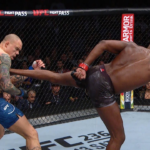
Most people asking about MMA vs boxing training have already watched enough YouTube to know the surface-level differences. One sport uses fists, the other uses everything. But choosing where to spend your time and money requires more than a highlight reel. I have trained both disciplines over the past several years, and the real differences show up in daily training, not in cage fights or title bouts. Here is what nobody tells you before you sign up.
– Boxing focuses purely on hand strikes, footwork, and head movement — expect faster skill progression and lower startup costs.
– MMA combines striking, wrestling, and grappling (Brazilian Jiu-Jitsu, Muay Thai, wrestling) — broader skill set but steeper learning curve.
– Boxing burns roughly 500–800 calories per hour; MMA training sessions can hit 700–1,000+ calories.
– Average monthly gym cost: $50–$120 for boxing, $100–$200+ for MMA.
– MMA edges out boxing for real-world self-defense; boxing wins for pure striking technique.
1. What You Actually Do in Each Training Session
Walk into a boxing gym and your first class will follow a familiar rhythm. You will start with three rounds of jump rope, move into shadow boxing, then spend the bulk of the session on the heavy bag, double-end bag, or mitts with a coach. Sparring comes later — usually after a few months of consistent training. The focus is always on your hands: jabs, crosses, hooks, uppercuts, and the footwork that makes them land.
An MMA gym looks completely different. A typical session might open with wrestling drills, transition into Muay Thai pad work covering kicks, knees, and elbows, and finish with 20 minutes of Brazilian Jiu-Jitsu (BJJ) rolling on the mats. Some gyms split disciplines across different days — Monday might be striking, Wednesday wrestling, Friday submission grappling. Others blend everything into each class.
The pace of learning reflects this difference. After three months of boxing, you can throw a respectable jab-cross combination and move your head off the center line. After three months of MMA, you are still a beginner in every individual discipline. That is not a criticism — it is the reality of training a sport that draws from multiple martial arts. Boxing lets you feel competent faster because you are sharpening fewer tools.
I remember my first month switching from boxing to MMA. My hands were decent, but the first time someone shot a double-leg takedown on me, I had zero answers. It was humbling, and that humbling process repeats every time you encounter a new grappling position or clinch situation.
2. MMA vs Boxing Training: The Full Comparison
Beyond the training floor, these two sports differ across almost every practical measure. The table below breaks down the key factors side by side so you can see where each discipline stands.
| Criteria | Boxing | MMA |
|---|---|---|
| Techniques | Punches only (jab, cross, hook, uppercut), head movement, footwork | Punches, kicks, knees, elbows, takedowns, ground control, submissions |
| Time to Basic Competency | 3–6 months | 12–18 months |
| Avg. Monthly Gym Cost (US) | $50–$120 | $100–$200+ |
| Startup Gear Cost | $80–$150 (gloves, wraps, mouthguard) | $150–$300 (boxing gloves, MMA gloves, shin guards, rash guard, mouthguard) |
| Calories Burned/Hour | 500–800 | 700–1,000+ |
| Injury Rate (competition) | Moderate — head trauma risk higher long-term | Higher acute injuries — cuts, joint sprains, fractures |
| Self-Defense Applicability | Strong at range, limited on the ground | Covers standing, clinch, and ground scenarios |
| Competition Pathways | USA Boxing (amateur), WBC/WBA/IBF/WBO (professional) | Amateur MMA (state commissions), UFC, PFL, Bellator, ONE Championship |
| Class Frequency Needed | 3–4x per week | 4–6x per week (to cover multiple disciplines) |
The gear cost difference is worth flagging. Boxing keeps it simple — a pair of quality beginner gloves, hand wraps, and a mouthguard will get you through your first year. MMA requires separate gloves for bag work and grappling, shin guards for sparring, a rash guard and board shorts for BJJ, and often a separate pair of MMA-specific gloves for pad work. Those extras add up fast.
3. Fitness Benefits and Calorie Burn
Both sports will get you in outstanding shape, but they stress the body differently. Boxing is one of the best cardiovascular workouts available. A solid hour on the heavy bag and mitts can burn 600–800 calories, and high-intensity sparring sessions push that even higher. Your shoulders, core, and legs do constant work. After a few weeks of consistent training, most people notice improved coordination and a tighter midsection before anything else.
MMA training burns more total calories per session — research and gym tracking data suggest 700–1,000+ calories per hour — because it demands both cardiovascular endurance and functional strength. Wrestling drills tax your grip, back, and hips in ways that boxing never touches. BJJ rolling is deceptively exhausting; five minutes of live grappling can leave you more gassed than three rounds on the bag.
If you want a deeper dive into how combat sports stack up for weight loss, I wrote a detailed calorie comparison covering boxing vs. kickboxing calories that gives you the full picture.
Here is how I think about it. Boxing builds a lean, fast physique — think of the classic fighter frame with defined shoulders and a strong core. MMA builds more overall functional strength because you are pushing, pulling, and controlling another person’s bodyweight on the ground. Neither is “better” for fitness; it depends on whether you want to optimize for cardio endurance or full-body strength.
After two years of pure boxing, I switched to MMA and could not finish a single five-minute wrestling round without gassing out. My cardio was fine for stand-up, but grappling uses muscles you do not even know you have. It took me three months just to build the grip strength and hip endurance to keep up.
4. Injury Risk: The Honest Truth
This is where a lot of articles get it wrong by either downplaying MMA injuries or ignoring the long-term danger of boxing. The truth is nuanced.
MMA has a higher rate of acute injuries — cuts, sprains, joint dislocations, and fractures. A study published in the Orthopaedic Journal of Sports Medicine found roughly 51 injuries per 100 fight participations in MMA competition. However, boxing carries a higher risk of cumulative brain trauma (CTE) because fighters absorb repeated head shots over many rounds with padded gloves that allow harder punching. Both sports carry real risks — train smart, wear proper protective gear, and never skip medical checkups.
At the recreational level, the injury picture changes significantly. Most boxing gym injuries involve wrist sprains from poor wrapping technique, shoulder strains from heavy bag work, and the occasional black eye from sparring. MMA recreational injuries tend to be more varied — mat burns, tweaked knees from wrestling, jammed fingers from grappling, and occasional rib bruises from body kicks.
The critical distinction is this: boxing’s worst injuries are invisible and cumulative. Repeated subconcussive impacts add up over years. MMA’s worst injuries are acute and visible — a torn ACL, a dislocated shoulder, a broken nose. Both are serious, but you can manage acute injuries more effectively because you know exactly when they happen.
If you plan to spar regularly in either sport, invest in high-quality headgear and a properly fitted mouthguard. Cheap protection is not protection at all. For boxing sparring, always use 16oz gloves regardless of your weight to reduce impact force. In MMA, make sure your shin guards fit snugly and your training partners respect tap-outs during grappling.
5. Cost of Training: Gym Fees, Gear, and Hidden Expenses
Budget matters, and this is one area where boxing has a clear advantage. A solid boxing gym in most US cities runs $50–$120 per month. Some old-school gyms in urban areas still charge as little as $30. MMA gyms almost always cost more — $100–$200 per month is standard, and high-end gyms affiliated with known fighters or organizations can charge $250+.
The hidden cost in MMA is the gear rotation. You need boxing gloves for striking, smaller 4oz MMA gloves for sparring, a gi or rash guard for BJJ, shin guards for Muay Thai rounds, and potentially wrestling shoes. Each item wears out and needs replacing. Boxing gear is simpler — one pair of bag gloves, one pair of sparring gloves, wraps, and you are set. If you are just starting out and want to keep costs low, check out this guide on how to start boxing at home to build fundamentals before committing to a gym membership.
There is also the time cost. Boxing works well with three to four sessions per week. MMA realistically demands four to six sessions to make progress across striking, grappling, and wrestling. If you have a full-time job and family commitments, that extra two to three hours per week adds up.
6. Which Is Better for Self-Defense?
This question sparks the most debate, and my honest answer is: MMA gives you more tools for real-world situations, but boxing gives you the single most useful skill in a street confrontation.
Most real-world altercations start standing up. A trained boxer with solid footwork, a sharp jab, and the ability to slip punches has an enormous advantage over an untrained person. Boxing teaches you to stay calm under pressure, manage distance, and end a confrontation quickly with accurate punching. That alone covers 70–80% of self-defense scenarios.
Where boxing falls short is on the ground. If someone tackles you or the fight goes to the floor, a pure boxer has no answers. MMA covers this gap entirely. BJJ teaches you to control someone from your back (guard position), sweep them, or apply a submission to end the encounter. Wrestling lets you dictate whether the fight stays standing or goes to the ground — and that choice is everything in self-defense.
If self-defense is your primary motivation, start with MMA or combine boxing classes with a BJJ fundamentals course. Six months of boxing plus six months of BJJ gives you a more complete self-defense skill set than a full year of either sport alone. Many gyms offer combo memberships at a discount. For a broader look at martial arts for protection, see our guide on the best martial arts for self-defense.
That said, most people are not training primarily for self-defense. If your goals are fitness, stress relief, and learning a skill, both sports deliver equally well. Pick the one that excites you more — consistency matters far more than style selection.
7. How to Decide: A Practical Framework
After training and coaching people in both sports, I have found that the right choice usually comes down to three factors: your personality, your schedule, and what motivates you to keep showing up.
Choose boxing if you enjoy mastering a single craft in depth. Boxing rewards patience and precision. The improvements are subtle — a slightly better angle on your jab, tighter head movement, faster footwork — but deeply satisfying. Boxing suits people who prefer routine, who like drilling the same combinations until they become automatic, and who find beauty in doing simple things exceptionally well. The lower cost and time commitment also make it easier to sustain long-term.
Choose MMA if you get bored easily and want variety in your training. Every week brings something different — striking on Monday, wrestling on Wednesday, submission grappling on Friday. MMA suits people who enjoy learning multiple systems and seeing how they connect. The trade-off is that progress feels slower because you are splitting your attention across disciplines. You need to be comfortable with being a beginner in several things at once.
Here is a framework that helps most people decide:
– If you have three or fewer training days per week, boxing makes more sense because you can progress meaningfully in that time.
– If you can train five or more days per week, MMA gives you enough sessions to develop across multiple disciplines.
– If you want to compete within your first year, boxing has a clearer amateur pathway through USA Boxing with structured tournaments and weight classes.
– If you are drawn to the UFC and dream of stepping into a cage someday, MMA is obviously the path — organizations like the UFC, PFL, and ONE Championship hold regular amateur events.
– If budget is tight, boxing gyms cost 30–50% less than MMA gyms on average, and the gear requirements are simpler.
One thing I tell every person who asks me this question: try both. Almost every reputable gym offers a free trial class or a discounted first week. Take a boxing class on Tuesday and an MMA class on Thursday. Your body and your gut will tell you which one felt right.
8. Frequently Asked Questions
1. Can I train boxing and MMA at the same time?
Yes, and many fighters do exactly this. Boxing sharpens your hands and defensive movement, which transfers directly to MMA striking. The main challenge is managing your training volume — if you box three times per week and do MMA three times, that is six sessions and your body needs adequate recovery. Start with two sessions of each per week and adjust based on how you feel.
2. Is MMA or boxing better for losing weight?
Both are excellent for weight loss. MMA typically burns more calories per session (700–1,000+) because it combines striking with the full-body exertion of wrestling and grappling. Boxing sessions burn 500–800 calories per hour but are easier to sustain at high intensity for longer periods. The best choice for weight loss is whichever sport you will actually show up to consistently. Motivation beats marginal calorie differences every time.
3. At what age is it too late to start boxing or MMA?
There is no hard cutoff. Plenty of people start boxing in their 30s, 40s, and even 50s — you can train at your own intensity and skip sparring entirely if you prefer. MMA is slightly harder on the body as you age because of the grappling and wrestling components, which stress joints and connective tissue more. That said, most MMA gyms have recreational classes designed for adults who want fitness and skill development without the full-contact punishment. I have trained alongside people in their 50s who were in better shape than half the 25-year-olds in the gym.
9. Final Verdict
The choice between MMA vs boxing training comes down to what you want from your time in the gym. Boxing offers faster skill development, lower costs, and a focused discipline that rewards precision. MMA delivers a broader skill set, better self-defense coverage, and more variety in every training session. Neither sport is objectively superior — they serve different goals and different personalities. My advice is simple: visit both types of gyms this week, take a trial class in each, and commit to whichever one makes you want to come back tomorrow. The best combat sport for you is the one you will actually train.
Written by the AskMeBoxing Team