
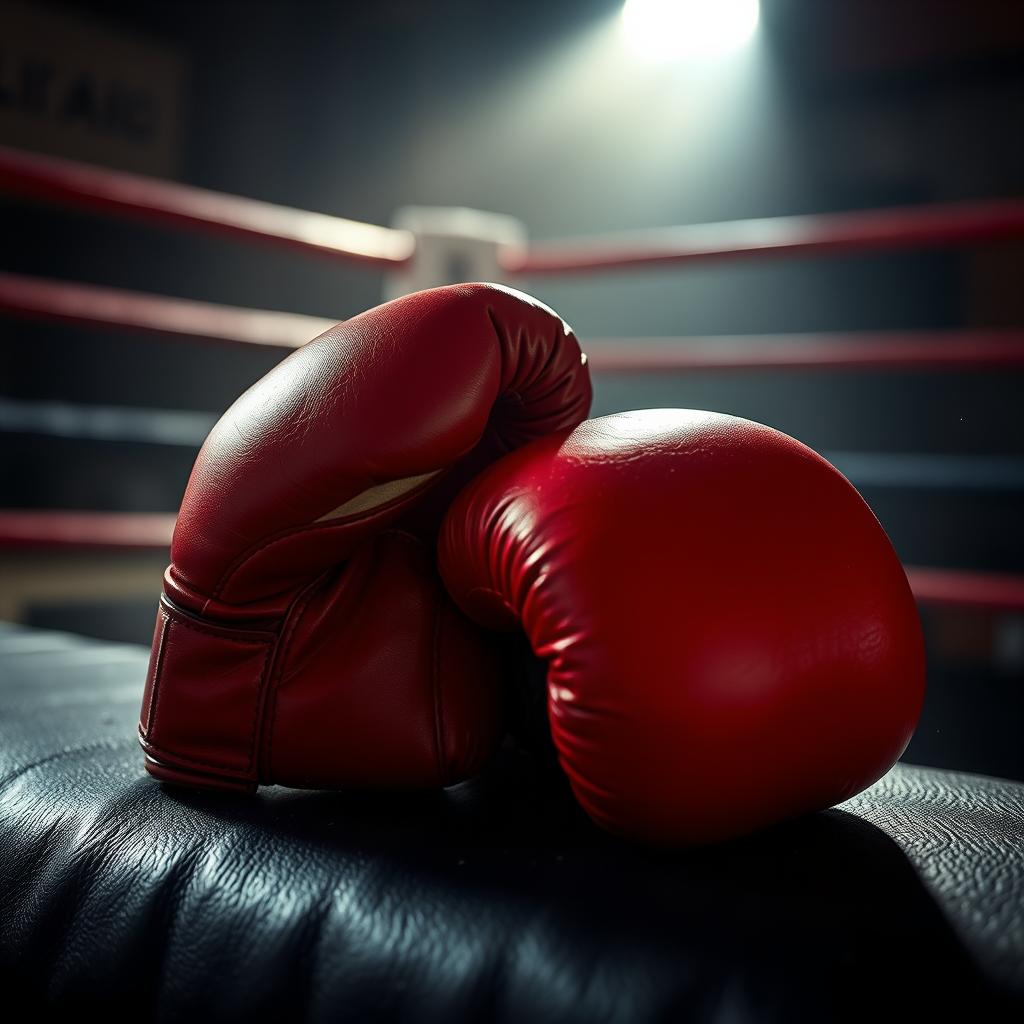
That stiff, cardboard-like feeling when you slide your hands into a fresh pair of boxing gloves? Totally normal. Every pair needs a how to break in new boxing gloves adjustment period before they feel like an extension of your fists. I have broken in dozens of pairs over the years — from budget Everlast trainers to premium Winning gloves — and the difference between a properly broken-in glove and one that was rushed or neglected is night and day. Here is exactly what works, what does not, and how long the whole process actually takes.
– Breaking in boxing gloves typically takes 15–25 training sessions depending on materials and brand.
– The best methods combine gradual training (shadow boxing, light bag work) with manual conditioning techniques.
– Leather gloves take longer to break in than synthetic but mold better to your hand over time.
– Never soak, microwave, or sit on your gloves — these shortcuts destroy padding and void warranties.
– Horsehair-padded gloves (like Cleto Reyes) break in faster than multi-layer foam gloves (like Hayabusa).
1. Why New Boxing Gloves Feel So Stiff
Fresh-out-of-the-box gloves feel rigid for good reason. Manufacturers pack the padding tight and use unconditioned materials to maximize protection and shelf life. The foam layers inside — whether injected molded foam, layered padding, or horsehair — are compressed and have not yet conformed to any hand shape. The outer shell, whether genuine leather or synthetic, is still at maximum stiffness because the fibers have not been flexed and loosened through repeated movement.
Think of it like a new baseball mitt or a pair of stiff leather boots. The materials need mechanical stress — opening, closing, bending at the knuckle line — to develop the natural flex points that make a glove feel comfortable. This process is called foam compression and leather conditioning, and it happens gradually through use.
The hand compartment is the area that changes most during break-in. When new, it is a generic shape designed to fit a range of hand sizes. After proper breaking in, the compartment molds specifically to your fist, your knuckle width, and the way you close your hand on impact. That custom fit is what separates a glove that feels clunky from one that feels locked in.
If you are still shopping for your pair, our guide on how to choose boxing gloves covers what to look for before you buy.
2. How Long Does the Glove Break-In Period Take?
The honest answer: it depends on the glove. But unlike most vague advice online, I can give you actual numbers based on material type and brand.
Padding density is the biggest factor. Gloves with horsehair padding — like the Cleto Reyes training gloves or certain Grant models — have a shorter break-in window because horsehair compresses and reshapes faster than synthetic foam. Multi-layer foam gloves from brands like Hayabusa or Rival need more sessions because the foam is engineered to resist compression (which is actually a feature, not a flaw — it means more consistent protection over the glove’s lifespan).
| Glove Type / Brand | Padding | Material | Break-In Sessions | Difficulty |
|---|---|---|---|---|
| Everlast Pro Style | Foam | Synthetic | 8–12 | Easy |
| Sanabul Essential Gel | Gel/Foam | Synthetic | 6–10 | Easy |
| Hayabusa T3 | Multi-layer Foam | Leather | 18–25 | Moderate |
| Rival RS1 | Multi-layer Foam | Leather | 15–22 | Moderate |
| Cleto Reyes Training | Horsehair/Foam | Leather | 12–18 | Moderate |
| Winning MS-Series | Multi-layer Foam | Leather | 20–30 | Hard |
One session means roughly 45–60 minutes of active glove use — shadow boxing, bag work, pad work, or sparring combined. So if you train three times a week, a pair of Hayabusa T3 gloves might take six to eight weeks before they feel fully broken in. Budget synthetic gloves from Everlast or Sanabul often feel comfortable within two to three weeks of regular training.
The key takeaway: do not judge a glove’s quality on how it feels in week one. Some of the best gloves I have ever used — Winning in particular — felt borderline uncomfortable for the first month and then became the most natural-feeling gloves I have ever worn.
3. Seven Proven Methods to Soften New Gloves
Not every method is equal. Some speed up the process safely, while others are old-gym myths that damage your gear. Here are the seven approaches that actually work, ranked from most important to supplementary.
Shadow Boxing First, Always
Start every new pair with two or three sessions of pure shadow boxing before you touch a bag. Shadow boxing puts gentle, repetitive stress on the knuckle bend line and the wrist area without the jarring impact of a heavy bag. You are teaching the glove where to flex based on your natural punching form. Three to five rounds of shadow boxing per session for the first week creates a solid foundation. Focus on full extension — jabs, crosses, hooks, uppercuts — so the glove bends in all the right places.
Light Bag Work Progression
After a few shadow boxing sessions, move to light bag work. The emphasis here is on the word “light.” You are not trying to knock the heavy bag off the chain. Start at maybe 50 percent power and throw balanced combinations so the padding compresses evenly across the knuckle area. If you only throw straight punches, the glove will break in unevenly — the center padding loosens while the sides stay rigid. Mix in hooks and uppercuts to condition the entire striking surface.
Spend about a week at moderate intensity before ramping up to full power. If you want to understand how different bags affect this process, check out our heavy bag vs freestanding bag comparison.
The Hand Squeeze Method
This one you can do while watching TV. Put your gloves on with hand wraps, then repeatedly make a tight fist and release. Do this for three to five minutes per glove. The squeezing action stretches the hand compartment and softens the padding around your knuckles from the inside. It is simple, safe, and genuinely effective. I do this during rest periods between rounds when I am breaking in a new pair.
Leather Conditioner for Leather Gloves
If your gloves are genuine leather — and this only applies to leather, not synthetic — a light application of leather conditioner can speed up the softening of the outer shell. Use a product designed for sporting goods leather, like Lexol or Bick 4. Apply a thin coat with a soft cloth, let it absorb for 15 to 20 minutes, then wipe off the excess. Do this once during the first week, not repeatedly. Over-conditioning makes leather too soft and reduces its durability.
In my experience, a single application of Lexol on a stiff pair of Cleto Reyes gloves cut about three sessions off the break-in timeline. The leather went from feeling like cardboard to having a noticeable give within 48 hours. But I have also seen guys drench their gloves in conditioner and end up with floppy, stretched-out leather within a month. Less is more.
Gentle Heat Application
A hairdryer on low heat for 20 to 30 seconds can relax the outer material just enough to make the first few sessions more comfortable. Hold the dryer about six inches from the glove and keep it moving — you are warming the surface, not cooking it. Immediately after warming, put the glove on and make a fist several times to shape the softened material around your hand.
Never use high heat, a microwave, an oven, or leave gloves on a radiator. Excessive heat warps the internal foam, separates bonded layers, and can melt synthetic materials. Once the padding structure is heat-damaged, the glove loses its protective ability and cannot be fixed. If the glove feels hot to the touch, you have already gone too far.
Pad Work and Mitt Sessions
Working with a partner holding focus mitts or Thai pads is one of the best break-in activities because it combines varied angles of impact with moderate force. Unlike a heavy bag that returns force in one direction, mitts move, and your punches land at slightly different angles each time. This conditions the glove more evenly than any single-target training. If you have access to a coach or training partner, prioritize mitt work during the glove break-in period.
Controlled Sparring (After Initial Break-In)
Only move to sparring after your gloves have had at least eight to ten sessions of bag and pad work. Sparring with rock-hard new gloves is uncomfortable for you and unpleasant for your partner. The padding needs to have some initial give before you start hitting another person. Once the gloves have softened up from the earlier methods, light technical sparring finishes the break-in process beautifully because it adds the most natural and varied movements your hands will make inside the glove.
The common thread across all seven methods is clear: gradual, progressive use is the safest and most effective approach to conditioning boxing gloves. There is no shortcut that does not involve some trade-off in glove longevity or protection.
4. How Padding Type Affects Break-In (Most Guides Skip This)
Here is something most break-in guides miss entirely: the foam inside your gloves matters just as much as the leather outside. Different padding technologies respond to break-in in completely different ways, and knowing what is inside your gloves changes how you should approach the process.
Injection-Molded Foam (IMF) is used in gloves like the Hayabusa T3 and many Venum models. IMF is pre-shaped during manufacturing, so it holds its form well but does not mold to your fist as dramatically as other foams. The break-in is more about the outer shell softening than the padding itself reshaping. These gloves tend to break in faster and maintain their shape longer — which is why I usually point beginners toward IMF gloves. A solid budget option with IMF padding is the Sanabul Essential Gel, available on Amazon for around $25 to $30.
Multi-Layer Foam is what you find in premium gloves like Winning and certain Rival models. These use two or three layers of foam at different densities — a softer layer closest to your hand and a firmer layer on the outside for impact distribution. The break-in is longer because each layer needs to compress and settle independently. But once broken in, multi-layer foam provides the best knuckle protection in the sport. There is a reason nearly every professional boxer in Japan trains in Winning gloves.
Horsehair Padding is traditional and still used by brands like Cleto Reyes and some Grant models. Horsehair compresses more dramatically than foam, which means the glove break-in period is faster in some ways — the padding softens quickly — but it also means the gloves become thinner over time. Horsehair gloves are puncher’s gloves: less protective, more feedback on impact. If you use horsehair gloves, proper hand wrapping is non-negotiable because the padding can shift away from your knuckles during hard shots.
Understanding your padding type sets realistic expectations. If you bought a pair of Winning gloves and they still feel stiff after two weeks, that is completely normal — multi-layer foam needs a month or more. If your Sanabul gloves still feel rigid after ten sessions, something else is wrong, likely a sizing issue.
5. Myths and Methods That Damage Your Gloves
The internet is full of bad advice on softening new gloves. Some of these tricks were passed down in old-school gyms before modern foam technology existed. They might have worked on all-horsehair gloves from the 1970s, but they will wreck a modern pair.
– Soaking gloves in water loosens stitching, causes mold growth inside the padding, and warps the foam structure permanently.
– Doing push-ups or burpees in your gloves puts pressure on the wrong parts of the padding and deforms the knuckle protection area in ways that reduce safety.
– Kneeling or sitting on your gloves to “flatten” them compresses the padding unevenly and creates dead spots with reduced shock absorption.
– Leaving heavy objects on the gloves overnight causes the same uneven deformation without any of the hand-shaping benefits of actual use.
– Using a baseball bat or rolling pin to pound the padding is aggressive enough to crack internal foam layers and break down the protective structure entirely.
These methods might make the glove feel softer, but softness achieved through structural damage is not the same as proper break-in. A well-broken-in glove is supple and responsive while still maintaining its protective density. A damaged glove is just soft — and soft means your knuckles, wrists, and your sparring partner’s face are all less protected.
If you want your gloves to last through the break-in period and well beyond, our article on how long boxing gloves last covers the lifespan you should expect from different price points.
6. Leather vs. Synthetic: Different Break-In Approaches
The material of your gloves fundamentally changes how you should approach breaking them in. Treating a synthetic glove like a leather one — or vice versa — leads to frustration and sometimes damage.
Leather gloves have a longer break-in period but reward your patience with a superior custom fit. Genuine leather fibers loosen and reshape with mechanical stress in a way that synthetic materials cannot fully replicate. The leather “remembers” your hand shape over time, which is why boxers who use premium leather gloves from brands like Winning or Cleto Reyes often describe them as feeling like a second skin after full break-in. Leather also benefits from conditioning products, which accelerate the softening of the outer shell without compromising structure.
Synthetic gloves — common in the budget and mid-range categories from brands like Everlast, Sanabul, and some Venum models — break in faster because the material is less rigid from the start. However, synthetic materials do not mold to your hand as precisely as leather. They soften more uniformly, which means the hand compartment stays closer to its original generic shape rather than developing a true custom fit. The trade-off is speed and convenience versus long-term comfort.
If you are buying your first pair and want a shorter break-in period, go with a synthetic glove like the Sanabul Essential Gel or the Everlast Elite — both under $40 on Amazon. If you train frequently and want gloves that will eventually fit like they were made for your hands, invest in leather. The Hayabusa T3 (around $130–$160) is an excellent mid-range option, and the Rival RS1 Ultra is outstanding for serious training. For our full breakdown, see the leather vs synthetic comparison.
For leather gloves specifically, here is the ideal break-in protocol:
– Apply leather conditioner once during the first week and let it absorb fully before your next session.
– Use hand wraps every single session to protect your hands from the initial stiffness and to help shape the interior evenly.
– Dedicate the first three sessions exclusively to shadow boxing with full range-of-motion punches across all angles.
– Progress to light bag work in sessions four through eight, keeping power at 50 to 70 percent.
– Introduce full-power bag work and pad sessions from session nine onward.
Following this sequence means most leather gloves hit their stride somewhere around session 15, which is roughly five weeks of training three times per week. The patience is worth it — a properly broken-in leather glove feels noticeably better than a synthetic one.
7. How to Tell Your Gloves Are Properly Broken In
A lot of people ask me when they will “know” their gloves are done breaking in. It is not guesswork — there are specific physical signs.
The knuckle area flexes naturally when you make a fist. There is no resistance or stiffness at the bend line across the top of the glove. The hand compartment fits your wrapped fist snugly without pressure points. You should not feel the glove squeezing any part of your hand or leaving red marks after a session. The wrist closure sits flat and secure without requiring excessive tightening. A broken-in wrist area conforms to your forearm and does not need to be cranked down to feel supportive.
Your punches land with a satisfying, connected feel. This is harder to describe but unmistakable once you experience it. With stiff new gloves, there is a gap between your fist and the impact — like punching through a pillow. Broken-in gloves transfer force cleanly, and you feel the bag or pad directly through the padding without any mushy disconnect.
Three clear signals that your gloves are fully conditioned:
– Your fist closes completely inside the glove with zero resistance, and the padding wraps around your knuckles rather than fighting against them.
– The glove bends smoothly at the knuckle crease during hooks and uppercuts — no stiff spots, no creaking leather.
– You can train a full session without thinking about the gloves at all, because they have become invisible on your hands.
If you are still experiencing pressure points or stiffness after 25 or more sessions, the gloves might be the wrong size for your hands. Our boxing gloves size chart can help you verify whether you are in the right weight class for your hand dimensions.
8. Caring for Gloves During the Break-In Period
The break-in phase is actually when your gloves are most vulnerable to damage — specifically moisture damage. New gloves have not yet developed the natural flex that allows airflow through the hand compartment, which means sweat gets trapped more easily than in a well-worn pair.
– Wipe the interior of each glove with a dry towel immediately after every training session to remove sweat before it soaks into the padding.
– Open the gloves as wide as possible and let them air dry in a ventilated area — never sealed inside your gym bag overnight.
– Use cedar shoe inserts, glove deodorizers, or even crumpled newspaper stuffed into each glove to absorb residual moisture between sessions.
– Avoid direct sunlight for drying, as UV radiation degrades both leather and synthetic materials and causes premature cracking.
– Rotate between two pairs if you train more than four times per week — this gives each pair adequate drying time and extends the life of both.
Skipping these steps during break-in is how people end up with gloves that smell terrible within a month and develop interior mold that is nearly impossible to fully remove. Taking five minutes after each session to air out your gloves extends their life significantly and keeps the conditioning process on track. For a complete maintenance routine, our guide on how to clean boxing gloves covers everything from odor control to deep cleaning.
FAQ
1. Can I speed up the break-in process without damaging my gloves?
Yes, but only moderately. The hand squeeze method, a single application of leather conditioner (for leather gloves only), and gentle low-heat from a hairdryer can shave a few sessions off the timeline. The biggest acceleration comes from training more frequently — four to five sessions per week instead of two to three. There is no safe way to fully break in a pair of gloves overnight. Any method that promises instant results involves damaging the protective padding.
2. Should I break in my gloves with or without hand wraps?
Always with hand wraps. Wraps protect your hands from blisters and abrasions caused by stiff new material, and they fill out the hand compartment so the glove molds around your wrapped fist — which is how you will actually use them during training. Breaking in gloves bare-handed means the interior shapes to a smaller hand profile, and the fit will feel slightly loose once you add wraps later.
3. Do expensive gloves take longer to break in than cheap ones?
Generally, yes. Premium leather gloves from Winning, Cleto Reyes, or Rival use denser padding and thicker leather that requires more sessions to soften. Budget synthetic gloves from Everlast or Sanabul use lighter materials that flex more easily from the start. However, the longer break-in of premium gloves results in a better custom fit and significantly longer overall lifespan — so the extra patience pays off over hundreds of training sessions.
9. Put In the Rounds and Your Gloves Will Reward You
Breaking in new boxing gloves is not complicated, but it does require patience. The core process is simple: wear them, use them progressively from light to heavy work, keep them dry between sessions, and give the materials time to conform to your hands. Skip the shortcuts you see on social media — soaking, microwaving, kneeling on them — because they trade short-term convenience for long-term damage. A properly conditioned pair of gloves will feel custom-molded to your fists, protect your hands reliably, and last far longer than a pair that was force-broken through aggressive methods. Put in the two to six weeks of gradual use, and you will have gloves that feel like they were made specifically for you.
Written by the AskMeBoxing Team





1 thought on “How to Break In New Boxing Gloves — 7 Proven Methods That Actually Work”
Comments are closed.