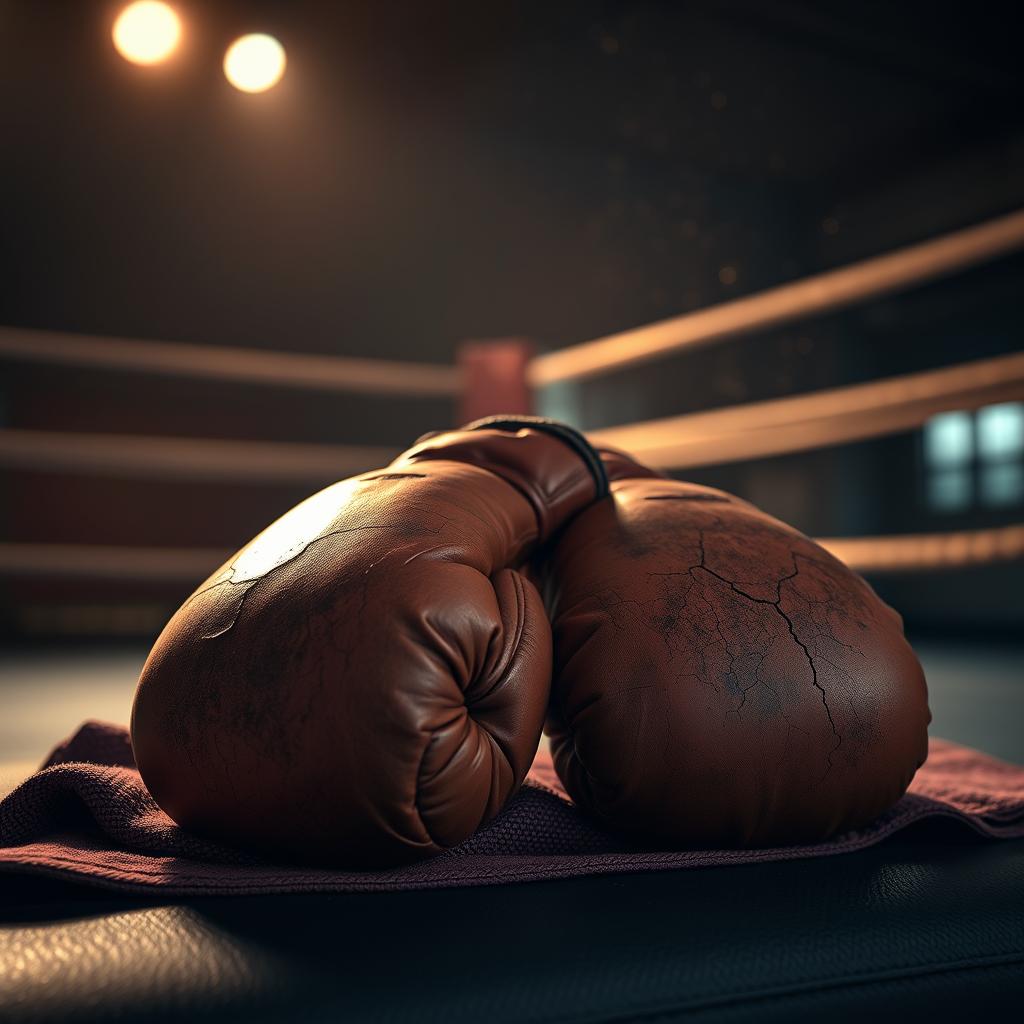
You dropped $120 on a pair of gloves six months ago, and already the padding feels flat on your lead hand. That sinking feeling — literally — means your knuckles are absorbing impact your gloves should handle. Understanding how long boxing gloves last saves you money, protects your hands, and keeps you from training with gear that quietly increases your injury risk. Short answer: 1 to 5 years. Real answer: it depends on material, usage, and maintenance.
– Genuine leather gloves last 3–5 years with proper care; synthetic PU gloves typically last 6–18 months
– Training frequency is the single biggest factor: daily use cuts lifespan by 50–60% compared to 2x/week
– Heavy bag work degrades padding fastest; sparring-only gloves last longest
– Cost-per-session ranges from $0.15 (premium leather) to $0.50+ (cheap synthetic) — spending more upfront often costs less over time
– Signs to replace: flat padding, cracked exterior, persistent odor, loose wrist support
1. Boxing Glove Lifespan by Material — The Biggest Factor
Material is the single strongest predictor of glove durability. Forget marketing claims about “durable construction” — what matters is the specific type of leather or synthetic and the foam density inside.
Full-grain leather, the kind used in Winning and Cleto Reyes gloves ($200–$400), develops a patina over time and actually molds to your hand shape without cracking. I’ve seen Winning gloves hold up for 5+ years of regular gym use because the goatskin exterior stays supple while the multi-layered foam retains its density. Synthetic PU leather, on the other hand, starts peeling and cracking once its surface coating breaks down — and there’s no recovering from that. Budget picks like Everlast Pro Style ($30–$40) or Sanabul Essential ($25–$35) use this synthetic exterior, which is fine for beginners but won’t survive years of hard training.
The foam matters just as much as the shell. Cheap gloves use single-layer sheet foam that compresses permanently after a few hundred rounds on the bag. Quality gloves use layered systems — IMF (Injection Molded Foam) in brands like Hayabusa, or the multi-layer foam in Winning gloves — that bounce back after compression.
| Material Type | Expected Lifespan | Typical Price Range | Cost Per Session (3x/week) | Best For |
|---|---|---|---|---|
| Full-Grain Leather (goatskin/cowhide) | 3–5 years | $150–$400 | $0.19–$0.45 | Serious boxers, daily trainers |
| Top-Grain Leather | 2–4 years | $80–$180 | $0.13–$0.35 | Regular trainers (3–4x/week) |
| Microfiber / Engineered Leather | 1.5–3 years | $60–$130 | $0.13–$0.28 | Budget-conscious regulars |
| Synthetic PU Leather | 6–18 months | $25–$60 | $0.11–$0.39 | Beginners, casual cardio boxing |
| Vinyl | 3–8 months | $15–$30 | $0.13–$0.64 | Trying boxing for the first time |
Notice something in that cost-per-session column. Vinyl gloves look cheap at $15, but if they last only 4 months at 3 sessions per week, you’re paying roughly $0.29 per session. A $160 leather glove lasting 4 years at the same frequency works out to about $0.26 per session. The “expensive” glove is actually cheaper to own. This is the calculation most people skip — and it should drive your buying decision.
If you’re still figuring out which gloves to buy in the first place, our complete guide to choosing boxing gloves breaks down sizing, types, and fit.
2. Lifespan by Training Type — Not All Sessions Are Equal
Here’s something most guides gloss over: two people can buy the same gloves, train the same number of days per week, and get wildly different lifespans. The difference is what they’re doing in those sessions.
Heavy bag work is the most destructive activity for boxing gloves. Every power shot compresses the foam against an unyielding surface. After hundreds of rounds, even quality foam develops permanent compression spots over the knuckle ridge. I always recommend a dedicated pair for bag work — it’s the easiest way to double the lifespan of your sparring gear.
Sparring is gentler on padding because you’re hitting a target that gives, but it’s harder on the exterior. Clinching, grabbing, and friction wears down the leather faster than clean shots on a bag. Pad work falls in between — moderate impact, minimal friction.
Using a single pair of gloves for bag work, sparring, and pad work is the fastest way to destroy them. The bag compresses padding, sparring scuffs the exterior, and sweat from long sessions accelerates both problems simultaneously. Budget at least two pairs if you train 3+ times per week — one for bags, one for sparring and pads. Your gloves (and your sparring partners’ faces) will thank you.
Here’s a realistic breakdown by training type:
– Heavy bag only (3x/week): Expect 1–2 years for leather, 6–12 months for synthetic — power punchers on the heavier side will land closer to the lower end of those ranges.
– Sparring only (2x/week): Leather gloves can last 3–5 years since impact is distributed and less intense, though you need to keep them clean and dry between sessions to prevent interior breakdown.
– Mixed training (bag + sparring + pads, 4–5x/week): Even quality leather gloves rarely survive beyond 2 years under this workload, which is exactly why owning two pairs pays for itself.
– Casual or class use (1–2x/week): Nearly any glove above the absolute bottom tier will last 2+ years at this frequency, making mid-range synthetics a reasonable choice.
The training-type factor is why blanket statements like “boxing gloves last 1–2 years” are almost meaningless without context.
3. Brand Durability — What You’re Actually Paying For
Not all leather gloves are equal, and brand reputation exists for a reason. Here’s an honest breakdown based on what I’ve seen hold up across multiple gyms over the years — not marketing copy.
Winning (Japan) sits at the top. Their FG-2900 and MS-series use proprietary multi-layer foam and high-grade leather that genuinely improves with age. At $300–$400, they’re expensive, but trainers who’ve owned a pair for 5+ years say they’re the cheapest gloves they’ve ever bought per session. Available on Amazon, though stock from the Japanese factory is inconsistent.
Cleto Reyes (Mexico) uses 100% goatskin leather and a thinner padding design that Mexican-style fighters prefer. They last 3–5 years, but the thinner foam means they’re less forgiving on heavy bags. Pairs typically run $200+ on Amazon.
Hayabusa T3 represents the best mid-range option at $100–$150. The Dual-X closure and IMF foam hold up for 2–3 years of regular training. One quirk: they run tight, so size up if you use thick hand wraps.
Rival RS11V is an underrated workhorse at $80–$120. Genuine leather, solid foam layering — I’ve watched these last 3 years in active gym rotations.
Everlast Pro Style and Powerlock cover the budget end. The Pro Style ($30–$40 on Amazon) is what most gyms stock for beginners — expect 6–12 months before padding flattens. The Powerlock ($50–$80) lasts roughly twice as long.
“Buy the best gloves you can afford and take care of them. A $200 pair lasting 4 years costs you less than four $40 pairs that each die in 8 months. Cheap gloves are expensive — you just pay in installments.” After 6 months of 3x/week training on a heavy bag, I’ve personally watched budget synthetic gloves go from firm to completely bottomed out. The foam doesn’t gradually thin — it holds up, holds up, then collapses seemingly overnight.
Weighing leather against synthetic in more detail? Our leather vs synthetic boxing gloves comparison covers the full tradeoffs beyond just durability.
4. Six Warning Signs Your Boxing Gloves Need Replacing
Knowing when to replace boxing gloves is just as important as knowing their expected lifespan. Here are the warning signs, ranked from “start shopping” to “stop training with these immediately.”
Padding feels thin or uneven. Press your fist into the knuckle area. If you can feel your knuckles through the foam, or if one glove has noticeably less padding than the other, the foam has permanently compressed. This is the most dangerous sign because it directly affects hand protection. Uneven padding also changes how force distributes across your metacarpal bones, which can lead to boxer’s fractures.
Exterior cracking or peeling. Synthetic gloves show this first — the PU coating flakes off in sheets. Leather gloves crack when they’ve dried out from improper storage or lack of conditioning. Once the exterior is compromised, moisture gets into the foam core and accelerates internal breakdown.
Persistent smell that cleaning can’t fix. If you’ve wiped the interior with antibacterial spray, dried them completely, used cedar inserts — and the smell returns within a day, bacteria has colonized the foam itself. Our guide on how to clean boxing gloves covers proper maintenance if you’re not at that point yet.
Wrist support feels loose. The hook-and-loop closure (Velcro) wears out faster than the glove body. If the strap no longer holds your wrist firmly, you’re risking sprains on every hook and uppercut.
– Thumb attachment separating from the glove body is a genuine injury risk — an unsecured thumb can catch on pads or your opponent’s guard and hyperextend, potentially tearing the ulnar collateral ligament.
– Stitching coming undone along the seams, especially at the palm or between fingers, means the glove has lost structural integrity and will unravel rapidly from that point forward.
Don’t push it past these signs. I’ve seen too many hand injuries in the gym that could’ve been avoided if someone had retired their gloves two months earlier. Boxing glove padding doesn’t give you a gentle warning — it goes from “fine” to “dangerous” faster than you’d expect.
Here’s a quick test I use monthly: put on your gloves, make a fist, and press your knuckles firmly against a wall. If you can feel the wall’s surface clearly through the padding, your gloves have lost too much cushioning for safe use. With fresh gloves, you should feel firm resistance but zero hard contact. Do this test every 4 weeks if you train regularly — it catches foam degradation before your hands do.
5. How to Extend Your Boxing Gloves’ Lifespan
You can’t stop glove durability degradation entirely, but proper care can add 30–50% to their useful life. Here’s what actually works — beyond the generic “keep them clean” advice.
Dry them completely after every session. Moisture trapped inside gloves breaks down foam cells, breeds bacteria, and rots stitching. After training, open the Velcro, spread the opening wide, and stuff them with newspaper or cedar inserts. Never leave them zipped in your gym bag overnight. USB-powered glove dryers ($15) are a small investment that pays off enormously.
Rotate between two pairs. Training 4+ days per week? Two pairs in rotation ensures each gets 48 hours to fully dry between sessions. This alone can nearly double both pairs’ lifespan.
Use hand wraps every single time. Wraps absorb sweat that would otherwise soak into the lining and reduce internal friction. Mexican-style wraps (180 inches) absorb more than standard 108-inch wraps. No exceptions — even for a quick 3-round session.
Condition leather gloves every 2–3 months. A thin layer of leather conditioner prevents cracking and keeps the hide supple. Never condition synthetic gloves; it makes them slippery.
Store in open air, away from direct sunlight. UV breaks down both leather and synthetic materials. Heat accelerates foam degradation. A ventilated shelf or wall-mounted glove hanger is ideal.
Just getting into the sport and need to break in a stiff new pair? Our guide on how to break in new boxing gloves walks through the safest methods without damaging the padding.
6. The Cost-Per-Session Math — Why “Cheap” Gloves Aren’t
This is where most competing articles fall short. Knowing a glove “lasts 1–2 years” is vague. Knowing what each training session actually costs you changes how you think about gear investment entirely.
Let’s run real numbers for someone training 3 times per week (156 sessions per year):
| Glove Model | Price | Expected Lifespan | Total Sessions | Cost Per Session |
|---|---|---|---|---|
| Sanabul Essential (synthetic) | $27 | ~8 months | ~104 | $0.26 |
| Everlast Pro Style (synthetic) | $35 | ~10 months | ~130 | $0.27 |
| Rival RS11V (leather) | $110 | ~3 years | ~468 | $0.24 |
| Hayabusa T3 (engineered leather) | $130 | ~2.5 years | ~390 | $0.33 |
| Cleto Reyes Velcro (goatskin) | $200 | ~4 years | ~624 | $0.32 |
| Winning FG-2900 (leather) | $350 | ~5 years | ~780 | $0.45 |
Budget gloves aren’t dramatically cheaper per session — the Everlast at $0.27 versus the Rival at $0.24 is basically a wash, but the Rival gives you vastly better hand protection for 3 years instead of 10 months. Winning gloves carry the highest per-session cost, which surprises people, but you’re paying for unmatched padding quality, not just longevity.
The real value lives in the mid-range. The Rival RS11V delivers 80% of the premium experience at 30% of the cost — that’s the sweet spot I recommend to anyone training seriously but not competing professionally.
7. FAQ
1. Can you repair boxing gloves instead of replacing them?
Minor stitching repairs are possible — a shoe repair shop can re-stitch a loose seam for $10–$20. However, once padding has compressed or the leather has cracked extensively, no repair restores safe condition. Think of it like tire tread: you can patch a puncture, but you can’t un-wear the rubber.
2. Do boxing gloves expire if you never use them?
Yes, but slowly. Foam degrades through a process called foam oxidation, even without impact. Gloves in a hot garage or humid closet deteriorate faster. Properly stored unused gloves can remain usable for 5–7 years, but always perform the knuckle test before training with old gear. The Velcro closure is typically the first component to degrade in storage.
3. Is it worth buying expensive boxing gloves if I only train twice a week?
For casual training at 2x per week, a mid-range glove ($60–$100) is the smart play. Premium gloves like Winning offer diminishing returns at low frequency — you won’t log enough sessions to benefit from their superior glove longevity. The Hayabusa T3 or Rival RS11V gives you excellent protection without overpaying for lifespan you’ll never use.
8. Protect Your Hands — They’re Worth More Than Any Glove
The real question isn’t how long do boxing gloves last in the abstract — it’s how long they last for you, given your training style, frequency, and budget. A casual boxer using mid-range leather gloves twice a week might get 4 solid years. A competitive fighter hammering the heavy bag daily will burn through even premium gloves in 18 months. The smartest approach is owning two pairs (one for bags, one for sparring), maintaining them properly, and replacing them at the first sign of padding failure — not when the exterior finally falls apart. Your hands are irreplaceable. A new pair of gloves never is.
Written by the AskMeBoxing Team