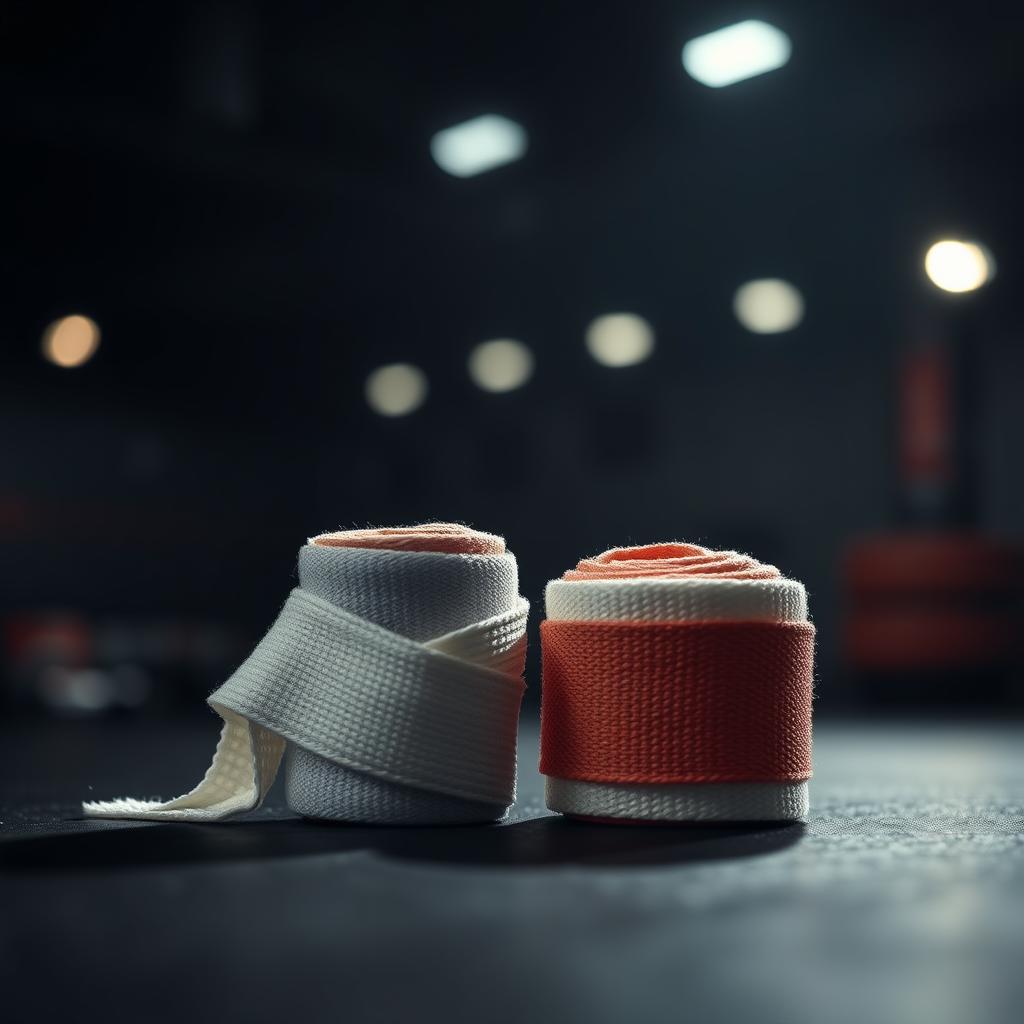
Every time you lace up your gloves, there is a decision to make underneath them. Traditional cloth hand wraps and quick wraps (also called gel wraps or inner gloves) both promise to protect your hands, but they do it in fundamentally different ways. Understanding the real differences between boxing hand wraps vs quick wraps matters because the wrong choice can mean sore wrists, bruised knuckles, or wasted money. This guide covers protection, convenience, cost, and long-term durability so you can make the right call for your hands.
Disclosure: This article contains affiliate links. We may earn a commission at no extra cost to you.
– Traditional hand wraps offer superior wrist stabilization and customizable support for around $8–$10 per pair.
– Quick wraps (gel wraps) slip on in seconds but provide less wrist rigidity and cost $25–$30.
– Cloth wraps are required for amateur and professional sanctioned bouts under USA Boxing rules.
– Quick wraps work well for cardio boxing, light bag work, and short sessions where convenience matters most.
– For heavy bag training and sparring, traditional wraps remain the safer choice.
1. What Traditional Hand Wraps Actually Do
Related Reading
A traditional hand wrap is a long strip of semi-elastic cotton or cotton-blend fabric, typically 120 to 180 inches in length. You wind it around your wrist, across the back of the hand, between each finger, and over the knuckles to create a firm, layered support structure. The result is a compression sleeve custom-shaped to your anatomy.
The protective mechanics here are worth understanding. When you throw a straight right or a hook, the force travels through 27 small bones in your hand and into the eight carpal bones of your wrist. A properly applied wrap binds the metacarpals together so they absorb impact as a single unit rather than shifting independently. It also locks the wrist in a neutral position, preventing hyperextension on off-center punches. I have seen fighters skip wraps on the heavy bag and end up with boxer’s fractures — a break at the fifth metacarpal neck — that could have been avoided with ten minutes of preparation.
The wrap also creates a thin padding layer across the knuckles. It is not thick foam, but the layered cotton compresses on impact and distributes force more evenly under the glove. For fighters who train five or six days a week, this consistent support adds up over thousands of punches.
A pair like the Meister 180″ Mexican-style wraps (around $10 on Amazon) gives you enough length to get full coverage on larger hands. The Sanabul elastic hand wraps (around $8) are another popular entry-level option that holds up well through regular washing.
If you are new to wrapping, our guide on how to wrap your hands for boxing walks through the process step by step.
2. What Quick Wraps Are and How They Work
Quick wraps — sometimes marketed as gel wraps, inner gloves, or knuckle guards — are slip-on gloves with built-in gel or foam padding over the knuckles and a hook-and-loop wrist strap. You slide your fingers in, pull the strap tight, and you are ready to train. The entire process takes about 15 to 30 seconds per hand.
The construction varies by brand, but most quick wraps use a neoprene or spandex shell with a molded gel insert across the knuckle zone. The wrist closure is a single elastic or Velcro strap, sometimes two inches wide. This is a fundamentally different approach to hand protection. Instead of custom-wrapping layers of fabric around your specific hand shape, you are relying on a pre-formed, one-size structure to handle impact distribution.
Quick wraps do provide genuine knuckle cushioning. The gel padding absorbs shock on contact, and for moderate-intensity work — think mitt drills, speed bag rounds, or cardio kickboxing classes — that cushioning is enough for most people. The convenience factor is real, especially in a group class where you have 90 seconds between the warm-up and the first combination.
Popular options include the Everlast EverGel quick wraps (around $25 on Amazon), which feature multi-layer gel foam, and the Hayabusa Quick Wraps (around $30), which add a longer wrist strap for a slightly more secure fit.
“I keep a pair of quick wraps in my gym bag for days when I am running late and just need to hit mitts for 20 minutes. But on sparring days or heavy bag sessions, I always reach for my 180-inch wraps. The wrist support difference is night and day.”
3. Protection: The Core Difference in This Boxing Wrap Comparison
Protection is where traditional wraps and quick wraps diverge most sharply, and it is the factor that should drive your decision if you train seriously.
Wrist Stabilization
Traditional wraps allow you to control exactly how many layers go around the wrist. A fighter with a history of wrist sprains can add extra passes. Someone with naturally thick wrists might use fewer. This adjustability means the wrap acts almost like a soft cast, holding the wrist joint firm through the full range of a punch. Quick wraps, by contrast, rely on a single strap. That strap provides moderate compression, but it cannot replicate the rigid, multi-layer binding of a cloth wrap. During hard hooks or uppercuts — punches where the wrist is most vulnerable to lateral torque — the difference becomes noticeable.
Knuckle Padding
Quick wraps often win here for raw cushioning thickness. A gel insert is denser than folded cotton. However, traditional wraps distribute force more evenly across the entire hand surface rather than concentrating padding only at the knuckle ridge. For fighters who land punches with slight variation in fist angle, the broader coverage of a cloth wrap can prevent hot spots.
Metacarpal Alignment
This is the protection factor most people overlook. The between-the-fingers weave of a traditional wrap separates and stabilizes each metacarpal bone individually. Quick wraps do not address metacarpal alignment at all — your fingers sit together inside a pouch. For heavy punchers or anyone throwing with high volume, the metacarpal separation provided by cloth wraps reduces the risk of the small bones shifting under impact.
4. Head-to-Head Comparison Table
| Factor | Traditional Hand Wraps | Quick Wraps (Gel Wraps) |
|---|---|---|
| Wrist Support | Excellent — multi-layer, adjustable | Moderate — single strap closure |
| Knuckle Padding | Good — layered cotton compression | Good to excellent — gel insert |
| Metacarpal Alignment | Yes — between-finger weave | No — fingers grouped together |
| Application Time | 2–5 minutes per hand | 15–30 seconds per hand |
| Customizable Fit | Fully adjustable to hand shape | Fixed sizing (S/M/L) |
| Cost | $8–$15 per pair | $20–$35 per pair |
| Durability | 1–2 years with proper washing | 6–12 months before gel flattens |
| Competition Legal | Yes (cloth/gauze-tape required) | No — banned in sanctioned bouts |
| Best For | Sparring, heavy bag, competition prep | Cardio boxing, mitt work, quick sessions |
| Learning Curve | Moderate — takes practice to wrap well | None — slip on and go |
5. Convenience and Practical Considerations
The convenience argument is straightforward and legitimate. If you train at a commercial gym, attend group boxing fitness classes, or only have 30 minutes to squeeze in a session, quick wraps save meaningful time. You do not need to find a bench, unroll fabric, and methodically wrap each hand. You pull them on, tighten the strap, and start punching.
Traditional wraps also require proper care. After every session, you need to unroll them and either hand-wash or machine-wash them to prevent bacteria buildup and odor. Our guide on how to wash boxing hand wraps covers the best methods. Quick wraps are generally easier to maintain — most are machine washable and dry faster because there is less fabric.
There is also the rolling factor. Traditional wraps need to be rolled back up after washing so they are ready for your next session. It is a small task, but over time it adds up. Some fighters own three or four pairs and rotate them through the wash cycle so a clean pair is always available.
6. Durability and Long-Term Cost
Traditional hand wraps are remarkably durable for their price. A $10 pair of Meister or Sanabul wraps, washed regularly and air-dried, can last well over a year of consistent training. The fabric may lose some elasticity over time, but the wrap remains functional. Over two years of training, you might spend $20–$30 total on cloth wraps.
Quick wraps have a shorter functional lifespan. The gel padding compresses and flattens with repeated impact, losing its shock-absorbing properties. The neoprene shell can stretch out, and the Velcro on the wrist strap wears down. Most quick wraps need replacing every six to twelve months with regular use. At $25–$30 per pair, you could spend $50–$60 or more over the same two-year period.
This cost difference may not matter if you train casually two or three times a week. But for daily trainers, the economics tilt clearly toward traditional wraps. The initial savings on cloth wraps compound over time, and you never deal with degraded gel padding reducing your protection mid-session without you realizing it.
7. Who Should Use Which — Matching Wraps to Your Training
Choosing between traditional wraps and quick wraps is not about which product is objectively “better.” It is about matching the right tool to your training context. Here is how that breaks down in practice.
Traditional hand wraps are the right choice if you hit the heavy bag regularly, spar with partners, plan to compete at any level, or have a history of hand or wrist injuries. The customizable support and metacarpal alignment they provide are not optional extras for these activities — they are baseline safety requirements. If you are building a home gym and want to understand glove pairing, check out our guide on how to choose boxing gloves.
Quick wraps make sense if you primarily attend cardio boxing or kickboxing fitness classes, do light mitt work, train on the speed bag, or need something fast for short sessions. They are also a reasonable starting point for absolute beginners who feel intimidated by the wrapping process, as long as those beginners transition to traditional wraps once they start training with more intensity.
Some fighters use both, and there is nothing wrong with that approach. I personally keep two pairs of 180-inch wraps and one pair of gel wraps in my bag. The gel wraps come out maybe once a week. The cloth wraps come out every other session.
For those exploring other hand protection options altogether, we cover several in our article on alternatives to boxing hand wraps.
Frequently Asked Questions
1. Can I use quick wraps for sparring?
You can, but it is not recommended. Sparring involves harder impacts and unpredictable punch angles that put significant stress on your wrists and hands. Quick wraps lack the multi-layer wrist binding and metacarpal separation that traditional wraps provide, increasing your injury risk during live exchanges. Most boxing coaches and gyms expect fighters to use proper cloth wraps for sparring sessions.
2. Do quick wraps fit inside all boxing gloves?
Most quick wraps are designed to fit inside standard boxing gloves, but thicker gel models can make a snug glove feel uncomfortably tight. If you use 12 oz or 14 oz gloves, a bulky quick wrap might compress your fingers. Try your quick wraps with your gloves before committing to a training session. Traditional wraps, being thinner layers of fabric, generally create fewer fit issues across different glove sizes.
3. How often should I replace my hand wraps or quick wraps?
Traditional cloth wraps last 12 to 24 months with regular washing and air drying. Replace them when the elastic feels loose, the thumb loop tears, or the fabric thins noticeably. Quick wraps should be replaced every 6 to 12 months, or sooner if the gel padding feels flat when you press on it. Training with worn-out wraps of either type defeats the purpose of wearing them.
Making Your Choice
The debate around boxing hand wraps vs quick wraps comes down to a simple trade-off between protection and convenience. Traditional cloth wraps deliver superior wrist stabilization, metacarpal alignment, and long-term value for a fraction of the cost. Quick wraps offer speed and simplicity for lighter training days. If you are serious about boxing — hitting the bag hard, sparring, or working toward competition — traditional wraps should be your default. Keep a pair of quick wraps as a backup for those rushed sessions, and your hands will thank you over the long run.
Written by the AskMeBoxing Team