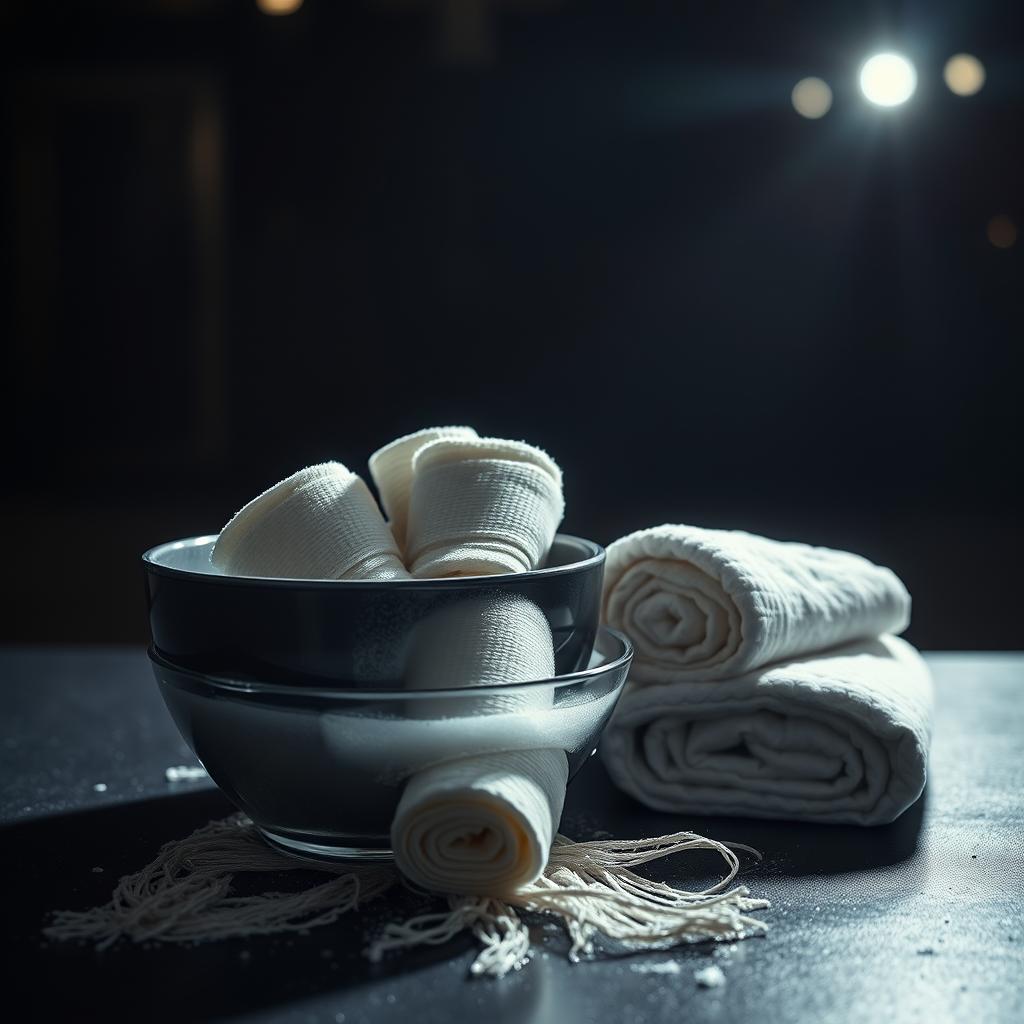
Your boxing hand wraps absorb more sweat than any other piece of gear you own. After a hard session on the heavy bag, those wraps are soaked through with moisture, salt, and bacteria — and if you keep stuffing them back into your gym bag unwashed, they will start to smell terrible and break down fast. Knowing how to wash boxing hand wraps correctly is the difference between wraps that last six months and wraps you have to replace every few weeks.
– Always wash hand wraps in cold water on a gentle cycle or by hand in a basin.
– Use a mesh laundry bag to prevent tangling and protect the Velcro closure.
– Never use a dryer — air dry by hanging flat or over a shower rod.
– Wash after every session, or at minimum every 3 to 5 uses.
– Cotton wraps need more careful handling than semi-elastic blends to avoid shrinkage.
1. Why You Need to Wash Your Boxing Hand Wraps Regularly
A lot of beginners skip washing their wraps entirely, and I get it — they seem like a minor piece of equipment compared to your gloves. But your hand wraps sit directly against your skin for the entire workout. They absorb sweat from your palms, fingers, and wrists, creating a warm, damp environment where bacteria and fungi thrive. Left unwashed, wraps become a breeding ground for staph bacteria and ringworm — both of which are common in combat sports gyms.
Beyond hygiene, dirty wraps degrade faster. Sweat contains salt and acids that weaken fabric fibers over time. If you have ever noticed your old wraps feeling thin, stiff, or losing their stretch, accumulated sweat likely broke down the material long before normal wear would have. I have been coaching for over a decade, and the best advice I give beginners is simple: treat your wraps like your socks. You would not wear the same pair of socks three days in a row — give your hand wraps the same respect.
– Bacteria can double every 20 minutes in warm, moist fabric, which is exactly what a used wrap sitting in a gym bag provides.
– Fungal infections like ringworm transfer easily from contaminated wraps to your skin and then to shared gym surfaces.
– Sweat-soaked wraps lose elasticity faster, meaning they will not support your wrist and knuckles as effectively during training.
If you are still learning the basics of wrapping technique, check out our complete guide to wrapping your hands for boxing before worrying about the washing process.
2. Machine Washing Boxing Hand Wraps — Step by Step
Machine washing is the most convenient method for cleaning boxing wraps, and it works perfectly well as long as you follow a few important rules. The biggest mistakes people make are using hot water, skipping the laundry bag, and tossing wraps in the dryer afterward. Avoid those three things and your wraps will come out clean without any damage.
Here is the process I follow after every training session:
Secure the Velcro First
Before anything else, fold the Velcro tab back onto itself so it sticks to its own loop side. Loose Velcro will snag on the wrap fabric during the wash cycle, causing pulls, pilling, and premature wear. This takes two seconds and saves you real headaches.
Use a Mesh Laundry Bag
Place your wraps inside a mesh laundry bag. Hand wraps are long — most are 180 inches — and they will tangle into a knotted mess inside the washing machine drum without containment. A mesh laundry bag from Amazon costs a few dollars and is the single most important accessory for washing wraps by machine. In a pinch, a pillowcase with the open end tied shut works too.
Select the Right Settings
– Set your washing machine to a cold water cycle — never warm or hot, as heat causes cotton and cotton-blend wraps to shrink noticeably.
– Choose the gentle or delicate cycle to minimize agitation and reduce stress on the fabric.
– Use a mild, fragrance-free detergent — about half the amount you would use for a normal load, since wraps are lightweight.
Skip These Products Entirely
– Do not use bleach, as it breaks down fibers aggressively and can cause discoloration on colored wraps.
– Avoid fabric softener, which leaves a waxy coating that reduces the wrap’s ability to absorb sweat and grip against itself during wrapping.
– Skip any scented boosters or dryer sheets for the same reasons.
Never put boxing hand wraps in the dryer. The heat will melt or warp the Velcro closure, shrink cotton wraps by up to 10 to 15 percent, and cause the elastic fibers in semi-elastic wraps to lose their stretch permanently. Always air dry.
3. Hand Washing Your Wraps — The Gentler Alternative
If you want your wraps to last as long as possible, hand washing is the gold standard. It puts almost zero mechanical stress on the fabric and gives you full control over water temperature and soak time. I hand wash my competition wraps and my favorite pair of Sanabul elastic hand wraps because I want them to stay in top condition.
Start by filling a sink or bucket with cold water. Add a small amount of mild detergent — a teaspoon is usually enough. Unroll your wraps completely and submerge them, then gently squeeze and agitate the fabric with your hands for about a minute. Let them soak for 10 to 15 minutes so the detergent can penetrate the fibers and break down dried sweat and oils.
After soaking, drain the soapy water and rinse under cold running water until no soap residue remains — leftover detergent makes wraps stiff and irritating against your skin. Press the water out by squeezing firmly but do not wring or twist. Wringing stretches the fabric unevenly and can distort the wrap, especially around the thumb loop.
I have seen fighters twist their wraps like a wet towel to get the water out quickly. Do not do this. Press the water out by rolling the wrap inside a dry towel and pressing down firmly. Your wraps will keep their shape and elasticity much longer.
Hand washing takes about five minutes of active effort plus soak time — honestly not much longer than loading a washing machine.
4. How to Dry Boxing Hand Wraps Properly
Drying is where most people ruin their wraps, even if they washed them correctly. The rules here are simple but non-negotiable.
After washing, gently squeeze out excess water — never wring — and then hang your wraps to air dry. The best method is to drape them over a shower rod, towel rack, or drying rack in a well-ventilated area. Spread them out so no sections are folded over or bunched together, because trapped moisture leads to mildew and that distinctive sour smell that no amount of rewashing fully removes.
– Hang wraps in a room with airflow — near an open window or with a fan pointed at them speeds up drying significantly.
– Avoid direct sunlight for extended periods, as UV rays can fade colored wraps and weaken certain synthetic fibers over time.
– In humid climates, consider hanging wraps near a dehumidifier or in an air-conditioned room to prevent slow-drying conditions that encourage mold growth.
– Expect hand wraps to take 4 to 8 hours to dry fully depending on thickness, humidity, and airflow.
This is one reason I recommend owning at least two pairs of wraps. While one pair dries, you have a fresh pair ready for your next session. Meister elastic hand wraps are affordable enough that keeping a rotation of two or three pairs is easy on the budget.
5. Machine Wash vs. Hand Wash — Which Method Is Better?
Both methods get your wraps clean. The real question is how much convenience matters to you versus how long you want your wraps to last. Here is a direct comparison:
| Factor | Machine Wash | Hand Wash |
|---|---|---|
| Cleaning effectiveness | Excellent — agitation removes deep grime | Very good — depends on soak time and manual effort |
| Time required | 2 minutes active (30–40 min cycle) | 5 minutes active + 10–15 min soak |
| Fabric wear | Moderate — machine agitation stresses fibers | Minimal — gentle on fabric |
| Shrinkage risk | Higher if wrong temperature used | Very low with cold water |
| Velcro damage risk | Moderate without laundry bag | None |
| Wrap lifespan impact | Wraps last 4–6 months with regular machine wash | Wraps last 6–12 months with hand washing |
| Best for | Daily trainers who value convenience | Competition wraps or premium pairs |
My personal approach is to machine wash my everyday training wraps — the pairs I use for bag work and mitt drills — and hand wash the wraps I save for sparring or competition. This way I get convenience where it matters and longevity where it counts. If you are unsure whether traditional wraps or quick wraps suit your training better, read our breakdown of boxing hand wraps vs. quick wraps.
6. How Different Wrap Fabrics Affect Washing
Not all hand wraps are made from the same material, and the fabric type determines how carefully you need to wash them. Understanding what your wraps are made of helps you avoid accidental damage.
100% Cotton Wraps
These are the traditional choice and the most common type in boxing gyms. Cotton is breathable, absorbs sweat well, and molds to the shape of your hand over time. However, cotton is the most prone to shrinkage when exposed to heat. Always use cold water, and never put them in the dryer. After repeated washes, cotton wraps may feel slightly stiffer — this is normal and softens once you start wrapping.
Semi-Elastic (Mexican Style) Wraps
Mexican-style wraps blend cotton with spandex or elastic fiber, giving them a slight stretch that conforms more snugly to your hand. They are popular because they wrap tightly without bunching. The elastic component is more sensitive to heat than pure cotton, so cold water is especially important. Everlast cotton-polyester hand wraps are a widely available semi-elastic option that holds up well to regular cold-water washing.
Polyester and Synthetic Wraps
Synthetic wraps are less common but sometimes appear in budget starter kits. They dry faster than cotton and resist shrinkage, but absorb less sweat and can feel slippery. These are the most forgiving to wash — they handle machine washing with minimal wear.
If your wraps smell bad even after washing, try soaking them in a solution of cold water and half a cup of white vinegar for 20 minutes before washing normally. Vinegar kills odor-causing bacteria without damaging the fabric or leaving a chemical residue. Baking soda (two tablespoons dissolved in water) works similarly for neutralizing stubborn smells.
7. Post-Workout Care Between Washes
What you do in the first few minutes after training makes a huge difference, even if you cannot wash your wraps right away. The worst thing you can do is roll up sweaty wraps and seal them inside a gym bag — that trapped moisture creates the perfect environment for bacteria, and within a few hours the smell becomes nearly impossible to remove.
Instead, unroll your wraps completely as soon as you take them off. Drape them over the edge of your open gym bag or hang them on a hook so air can circulate. When you get home, hang them in a ventilated spot immediately.
– Keep a small mesh bag clipped to the outside of your gym bag specifically for used wraps, allowing airflow rather than sealing moisture inside.
– Some fighters spray their wraps lightly with a mixture of water and tea tree oil after training as an antibacterial measure between washes.
– Never store damp wraps inside your boxing gloves, as the combined moisture accelerates bacteria growth in both the wraps and the glove lining.
Speaking of glove hygiene, if your gloves are starting to smell despite clean wraps, our guide on how to clean boxing gloves covers everything you need to keep them fresh.
8. When to Replace Your Boxing Hand Wraps
No amount of careful washing boxing wraps will make them last forever. Fabric breaks down, elastic loses tension, and Velcro wears out. Knowing when to replace wraps matters just as much as knowing how to clean them, because worn-out wraps fail to provide the support your wrists and knuckles need. Here are the signs your wraps are done:
– The fabric feels noticeably thinner than when you bought them, especially around the knuckle area where friction is highest.
– The elastic stretch in semi-elastic wraps no longer rebounds — they feel limp and do not hold tension when wrapped.
– The Velcro closure barely grips anymore, causing the wrap to loosen during training.
– Persistent odor remains even after thorough washing and vinegar soaking.
– You notice small tears, fraying edges, or holes forming anywhere along the length.
With regular washing and air drying, most wraps last 4 to 12 months depending on training frequency and fabric type. If you train five or six days a week, keep a spare pair in rotation. For more on gear basics, see our guide to essential boxing equipment.
| Training Frequency | Expected Wrap Lifespan (Machine Wash) | Expected Wrap Lifespan (Hand Wash) |
|---|---|---|
| 1–2 sessions per week | 8–12 months | 12–18 months |
| 3–4 sessions per week | 4–8 months | 8–12 months |
| 5–6 sessions per week | 3–5 months | 5–8 months |
| Daily / twice daily | 2–3 months | 3–5 months |
9. Frequently Asked Questions
1. Can I wash boxing hand wraps with my regular laundry?
Yes, you can wash them alongside other gym clothes, but always place the wraps inside a mesh laundry bag first. Use cold water and a gentle cycle. Avoid washing wraps with heavy items like jeans or towels, as the friction increases wear on the thinner wrap material.
2. How often should I wash my hand wraps?
Ideally, wash them after every training session. If that is not practical, wash them after every 3 to 5 uses at most. Going longer than that allows bacteria to build up to levels that cause skin irritation or infection. Owning two or three pairs and rotating them makes frequent washing easy to manage.
3. Will washing my hand wraps cause them to shrink?
Cold water washing causes negligible shrinkage in any fabric type. Shrinkage problems almost always come from warm or hot water, or from using the dryer. Stick to cold water and air drying, and your wraps will maintain their original length. If you do accidentally shrink cotton wraps, gently stretching them while damp can recover some lost length.
10. Keep Your Wraps Clean and They Will Take Care of Your Hands
Taking care of your hand wraps is one of the simplest habits in boxing, yet it makes a meaningful difference in both hygiene and gear longevity. Whether you choose machine washing for convenience or hand washing for maximum fabric preservation, the core rules stay the same: cold water, mild detergent, mesh laundry bag, and always air dry. Build the habit of washing boxing hand wraps after every session, own at least two pairs in rotation, and replace them when the fabric or Velcro shows clear signs of wear. Your hands — and your training partners — will thank you.
Written by the AskMeBoxing Team