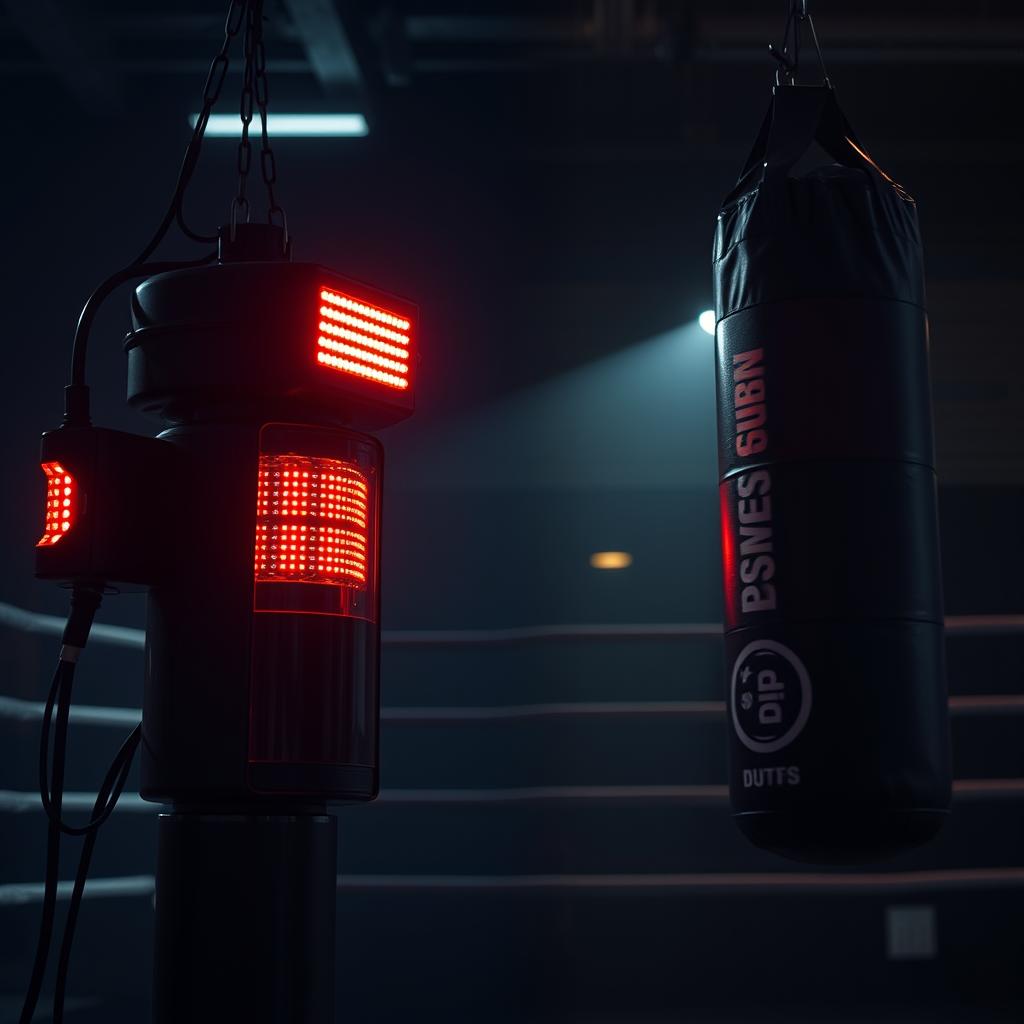
Two pieces of equipment keep showing up in home gym conversations: the music boxing machine vs heavy bag debate has become a genuine decision point for anyone setting up a training space at home. Both will make you sweat. Both will sharpen your hands to some degree. But they target fundamentally different training goals, and choosing the wrong one means spending money on gear that collects dust within a month. This breakdown covers what each option actually delivers — the honest strengths, the real limitations, and who should pick what.
1. Head-to-Head Comparison
Before breaking down each option in detail, here is a side-by-side look at the categories that matter most for home training.
| Category | Music Boxing Machine | Heavy Bag |
|---|---|---|
| Primary Purpose | Cardio, rhythm training, reaction drills | Punching power, technique, conditioning |
| Skill Development | Hand-eye coordination, timing, speed | Striking form, combinations, footwork |
| Cardio Workout | Excellent — 300–500 calories per 30 min | Excellent — 350–500+ calories per 30 min |
| Noise Level | Low (foam-padded targets absorb impact) | Medium–High (chain rattle, impact thuds) |
| Space Required | Wall mount, minimal — about 2×3 ft | 6×6 ft floor space + 3–4 ft swing radius |
| Installation | Wall bracket, 15–30 min, no structural work | Ceiling joist mount or heavy stand, may need reinforcement |
| Price Range | $80–$300 (home models) | $80–$250 (bag) + $60–$200 (stand or mount) |
| Fun Factor | High — music sync, LED lights, score tracking | Moderate — satisfying but repetitive without coaching |
| Suitable For | Beginners, families, apartment dwellers, cardio seekers | Boxers, martial artists, serious home trainers |
Both deliver solid calorie burns. The split comes down to what happens beyond the sweat: one builds measurable punching ability, the other builds consistency through gamification.
2. When a Music Boxing Machine Wins
Music boxing machines mount flat against a wall, weigh under 10 pounds, and need zero structural reinforcement. That alone makes them the default choice for renters, apartment dwellers, and anyone who cannot drill into ceiling joists. The foam-padded LED targets absorb impact quietly — far quieter than a swinging bag and rattling chains at 6 AM.
The real selling point is adherence. Most home gym equipment gets abandoned within 90 days, but rhythm-based training keeps people coming back because it feels like a game rather than a chore. The machine syncs punching targets to your playlist, tracks your score, and progressively increases difficulty. Families with kids find them especially useful since a 10-year-old and a 40-year-old can both use the same device at different intensity levels.
From a fitness perspective, a 30-minute session on a music boxing machine delivers genuine cardio benefits. Your heart rate stays elevated because the targets force constant movement, and the reaction element engages your brain in ways that steady-state cardio does not. The SunnyNest Music Boxing Machine is one of the better-reviewed options in this category — it offers Bluetooth music sync, adjustable difficulty, and a compact wall-mount design that fits in tight spaces.
“I bought the music boxing machine expecting a gimmick. Three months later, it’s the only piece of equipment I use five days a week. The heavy bag in my garage just sits there.” — User review on a fitness forum
For stress relief after a long workday, few things beat punching lit-up targets in time with your favorite playlist. It scratches the same itch as a boxing class without the commute, the schedule, or the monthly fee.
3. When a Heavy Bag Wins
If your goal involves learning how to actually punch — with proper hip rotation, weight transfer, and follow-through — a heavy bag is the only option on this list that delivers. Music boxing machines register that you hit a target. A heavy bag teaches you what a real strike feels like when it lands with force.
Heavy bags range from 70 to 150 pounds, and that mass provides genuine resistance. You develop power through your legs, core, and shoulders, not just your arms. Throwing a three-punch combination on a heavy bag engages your entire posterior chain in a way that tapping foam pads simply cannot replicate. For anyone training in boxing, Muay Thai, kickboxing, or MMA, the heavy bag remains non-negotiable. You can also practice kicks, knees, and elbows — something a wall-mounted music machine does not accommodate.
There is a conditioning element that goes beyond calorie counting. Heavy bag rounds build wrist stability, knuckle toughening, and shoulder endurance that carry over directly to sparring performance. These adaptations require sustained impact against a resistant surface, and no amount of LED-target tapping produces the same result.
The tradeoff is practical. A hanging heavy bag needs a ceiling joist rated for at least four times the bag’s weight, plus 6 feet of clearance on all sides. Freestanding bags solve the mounting problem but take up significant floor space and can tip during aggressive sessions. Noise is another factor — even with a spring mount, a heavy bag generates impact thuds that travel through walls and floors. If you live in an apartment with shared walls, check our guide to the best punching bags for apartments for quieter alternatives, or consider a freestanding punching bag that reduces vibration transfer.
4. Can You Use Both?
Yes, and this is the setup worth considering if your budget and space allow it. The two pieces of equipment complement each other well because they target different energy systems and skills.
A practical weekly split looks like this: use the music boxing machine on recovery or cardio-focused days when you want an elevated heart rate without heavy joint impact. Use the heavy bag on power days when you want to drill combinations, work on form, and build striking endurance. Three days on the music machine and two days on the heavy bag (with two rest days) gives most home trainers a balanced program that covers both cardio and skill development.
The cost of running both setups is reasonable. A quality music boxing machine like the SunnyNest runs around $100–$200, and a solid home heavy bag setup ranges from $150 to $400 depending on whether you use a ceiling mount or a freestanding stand. Total investment under $600 gives you a versatile home striking gym that covers cardio, power, and technique.
5. FAQ
1. Can a music boxing machine replace a heavy bag for boxing training?
No. A music boxing machine builds cardio endurance, reaction speed, and hand-eye coordination, but it does not develop punching power or teach proper striking mechanics. Think of it as a rhythm-based fitness tool, not a boxing trainer. If you want to improve as a fighter, you need a heavy bag (and ideally a coach).
2. Are music boxing machines too loud for apartments?
Most wall-mounted music boxing machines are apartment-friendly. The foam padding absorbs impact sound, and the main noise comes from your music and breathing rather than the strikes themselves. They are significantly quieter than heavy bags, which generate chain rattle and deep impact thuds that travel through walls and floors.
3. What is a good budget to set up both at home?
You can set up a music boxing machine plus a freestanding heavy bag for $300–$500 total. A wall-mounted music machine runs $80–$200, and a freestanding bag like the FITVEN or Century Wavemaster costs $100–$250. If you go with a hanging bag instead, add $60–$150 for a ceiling mount or stand, bringing the total closer to $400–$600.
6. Final Verdict
The music boxing machine vs heavy bag decision comes down to honesty about your training goals. If you want a fun, apartment-friendly cardio workout that keeps you consistent and entertained, a music boxing machine is a smart buy — the SunnyNest model is a solid starting point at a reasonable price. If you want to develop real punching power, practice technique, and train for combat sports, a heavy bag is irreplaceable. And if you can swing both, the combination covers more ground than either piece alone. Pick based on what you will actually use three months from now, not what sounds exciting today.
This post contains affiliate links. We may earn a commission at no extra cost to you.
Written by the AskMeBoxing Team